100% vegan, non - toxic, and sterilized
Trusted by numerous artists
So, you’ve sat through the session, admired the fresh art, and now you’re holding a aftercare leaflet. The next few weeks are a collaboration between your body and the tattoo. But here’s something they don’t always tell you: the tattoo ink your artist chose isn’t just sitting there passively. From the moment it’s deposited, it plays a starring role in how your skin reacts, repairs, and ultimately, how your tattoo looks for life. Let’s connect the dots between the bottle on the shelf and the beautiful, healed art on your skin.
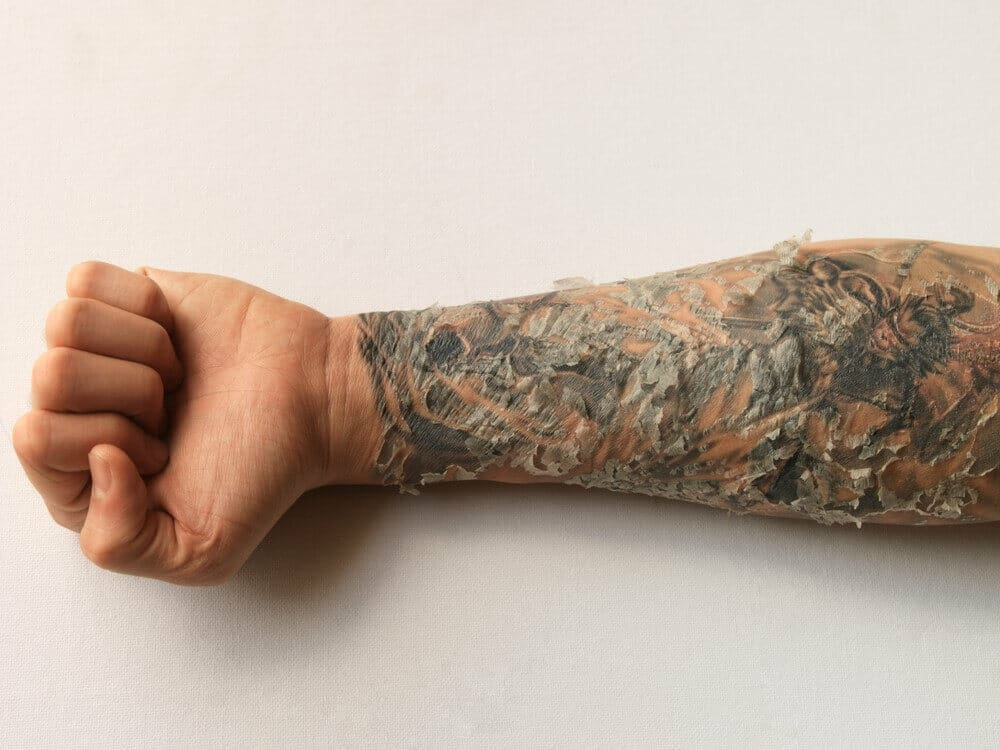
Think of getting a tattoo as a controlled injury. Your body’s immune system immediately responds to the tiny foreign particles—the pigment—now in your dermis. Special cells called macrophages rush to the site to “clean up.”
This is where ink quality makes its first major impact. A good tattoo ink is engineered with easy absorption into the skin in mind. Its particles are finely ground and suspended in a biocompatible carrier solution, allowing for a cleaner, more efficient deposition with less tissue trauma.
Cheaper, poorly formulated ink can cause excessive inflammation. Think of it like your body having to work much harder to deal with an irritant. This can lead to a more painful healing process, increased scabbing, and a higher risk of ink rejection or blurring. The goal is a smooth, predictable initial response, and that starts with what’s in the bottle.
We all know sun exposure fades tattoos. But did you know that fading starts from within? Your body is constantly trying to break down and remove those pigment particles. High-quality ink is formulated for color stability and superior color retention.
This means the chemical structure of the pigment is more resistant to being broken down by your body’s enzymes and the inflammatory process. A premium black ink, for instance, uses ultra-concentrated pigment designed to stay a true black, resisting the shift to a blue or green undertone over the years.
When an ink lacks this stability, the fading is more pronounced and happens faster. The vibrant red you loved can turn pinkish, and a bright blue can become dull. A stable ink ensures the color that initially healed is the color you live with for decades, not just a few years.
This is arguably the most critical connection. The fear of an allergic reaction is real, and certain colors (like some reds) have a historical reputation for causing issues.
Modern professional inks directly address this. First and foremost, they are sterilized and made under hygienic conditions, eliminating microbial contaminants. Secondly, the rise of vegan tattoo ink has been a game-changer. By being free from animal ingredients (100% Vegan), these inks remove common irritants like bone char (sometimes found in black inks) or animal-derived glycerin.
Choosing a safe and reliable ink drastically reduces the risk of your body mounting an aggressive, unwanted immune response. This means less chance of itchy, raised tattoos years down the line, and a smoother, safer healing journey from day one. It’s preventative care bottled up.
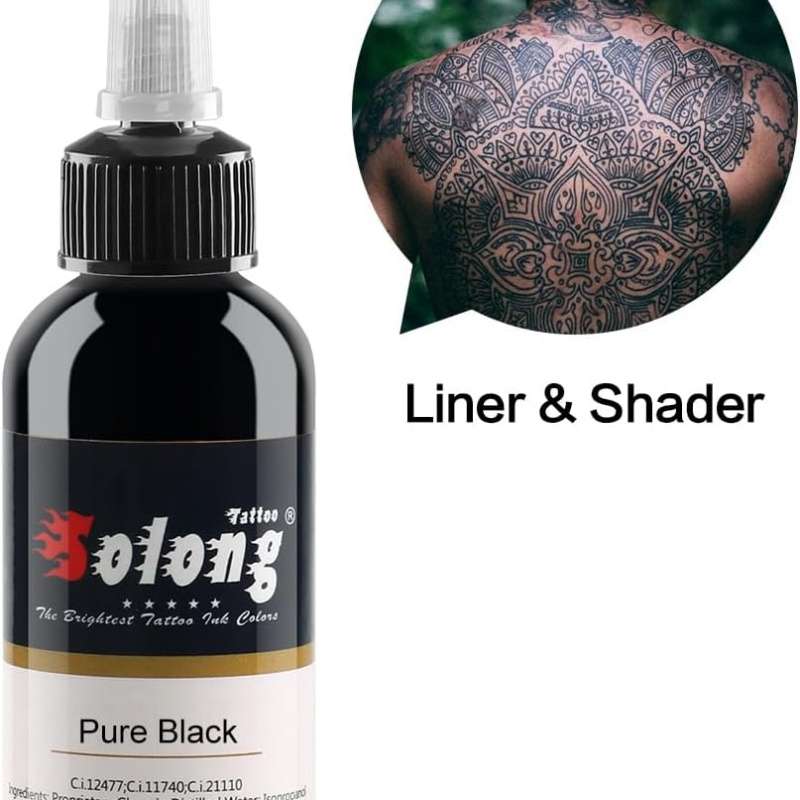
An artist’s technique is paramount, but they can only work with the material they have. This is why professionals are meticulous about their supplies.
For the foundational work—the crisp outlines and smooth shading that define a tattoo’s structure—nothing is more important than a dependable black tattoo ink. An artist needs to trust that the ink will have a smooth consistency for precise lines and effortless shading. They need to know it’s crafted for precision, depth, and durability.
A product like Dynamic Black Tattoo Ink is built for this purpose. When an artist knows the ink will deliver consistent performance, they can focus on their craft, not fighting against a blotchy or unpredictable pigment. This skilled application with a quality material results in less skin trauma, which directly translates to a cleaner, easier heal for you.
After the peeling and itching subside, you enter the long-term relationship with your tattoo. A quality tattoo ink continues to perform. It has settled evenly in a stable layer of skin, its color remains very positive, and its lines stay sharp.
This is the ultimate goal: a healed tattoo that looks intentional, vibrant, and integrated. It’s a tattoo you still love showing off years later because the artist’s vision was preserved by the quality of the medium. The ink’s job was to become a harmonious part of your skin, not a fading, blurring souvenir of the day you got it.
A Special Note on Dark Skin: The principles of quality and stability are especially crucial for tattoos on dark skin. Pigments need excellent opacity and the right undertones to heal with clarity and beauty. The right ink allows the artist’s work to shine on every skin tone, ensuring everyone can enjoy art that heals with the same fidelity and vibrance.
Q: Can I tell if a tattoo ink is low quality by how it heals?
A: Sometimes. While poor aftercare can ruin even the best ink, signs of low-quality pigment can include excessive fading within the first year, colors shifting to an unwanted hue (like a blue turning grey), or unexpected blurring of fine lines. A good ink heals cleanly and remains stable.
Q: How long does it really take for a tattoo to be fully “healed”?
A: The surface heals in 2-4 weeks, but the skin beneath can take 3-4 months to fully settle. Color may appear slightly muted during this deeper healing. True, final color and stability are seen after this period. Using a high-quality ink gives you the best chance for a great final result.
Q: I have sensitive skin. What should I look for in an ink?
A: Absolutely prioritize vegan tattoo ink. The removal of common animal-derived irritants makes a significant difference. Discuss this with your artist beforehand. Ensure they use inks made of high-quality, non-toxic ingredients and can provide information on the brand’s safety standards.
Getting a tattoo is a commitment. By understanding that your tattoo ink is an active participant in the healing and aging process, you can make more informed choices. Your conversation with your artist should include not just design and placement but also confidence in the materials they use.
It’s the difference between just getting a tattoo and investing in a piece of art that’s built to last, heal beautifully, and stand the test of time—right from the very first drop.
Choose professional-grade tattoo ink and give your skin the healing it deserves.
No account yet?
Create an Account