100% vegan, non - toxic, and sterilized
Trusted by numerous artists
Buying tattoo ink can feel like navigating a colorful minefield: a dizzying array of jars, labels, and promises. Whether you’re a pro artist stocking a studio or a curious beginner building a kit, choosing safe, reliable tattoo ink matters. This guide breaks down what to look for, what to avoid, and how to select inks that give great color, consistent performance, and peace of mind—without getting hoodwinked by buzzwords.
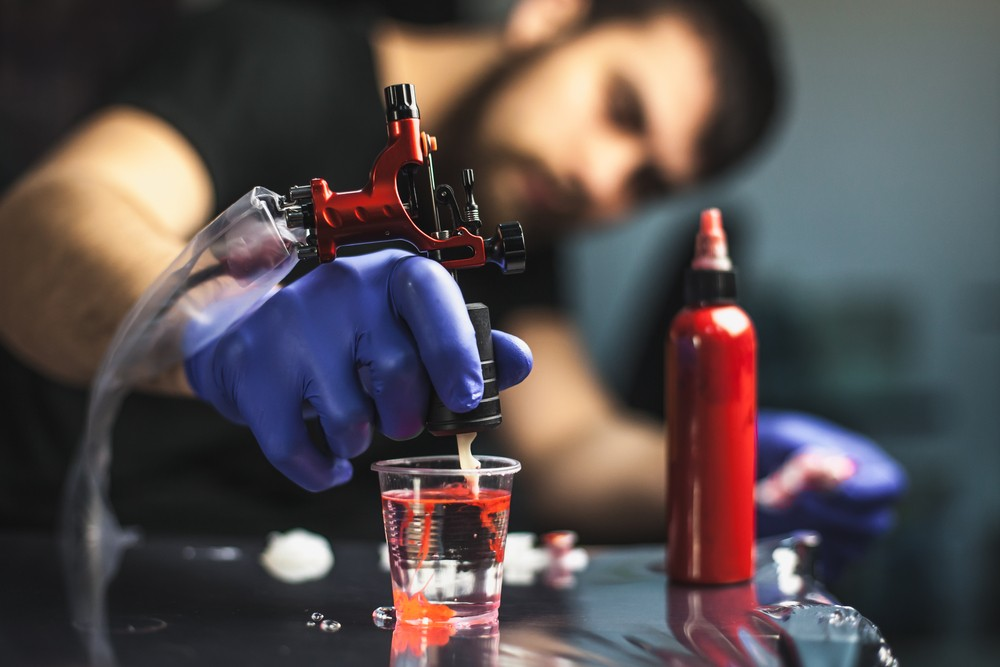
Not all tattoo ink is created equal. The pigment you choose affects color saturation, longevity, and how skin reacts. Good tattoo ink helps artists achieve sharp lines and smooth shading; poor-quality ink can lead to unexpected fading, inconsistent healing, or skin irritation. If you care about results and client safety, you care about the ink in the bottle.
Always check what’s in the ink. Prefer inks that state sterilization and list formulation details like vegan or non-toxic where applicable. A label that spells out sterilized manufacturing and clear formulation is a great start—but labeling alone isn’t a guarantee. Buy from trusted suppliers and, when possible, run small patch tests.
High pigment concentration usually means richer, longer-lasting color. Color stability matters: a good tattoo ink keeps its hue through healing and years of wear. Artists often prefer concentrated pigments for crisp lining and bold fills; for soft washes, you’ll want inks that blend predictably.
How an ink flows through needles affects control. Smooth, even-flowing tattoo ink reduces the risk of uneven saturation and helps produce steady lines and gradients. If an ink separates or is grainy, it may not be worth your time.
Most modern inks are compatible with both coil and rotary machines, but confirm if the manufacturer calls this out. If you run a specialty setup or use certain needles, make sure the ink’s behavior matches your technique.
Bottle size matters. Larger bottles suit busy studios; small bottles are great for travel or testing. Look for hygienic, resealable bottles and sensible packing options that match your throughput.
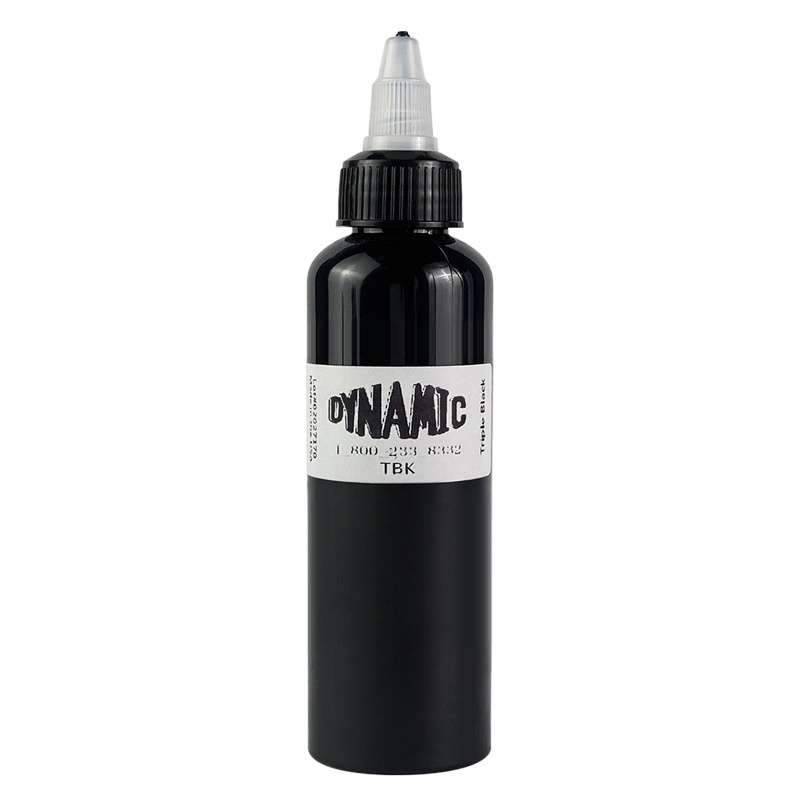
Single-color ink bottles are ideal for frequently used colors, especially large-capacity bottles. A high-quality single black bottle can be the backbone of a studio.
Professional Black Tattoo Ink (120 ml)—Pure Black, formulated for lining and shading, offered in packing sizes of 1, 3, or 6 bottles. It’s described as deep, true black with smooth consistency and long-lasting retention. The 120 ml size is practical for busy artists who favor bold outlines and regular shading.
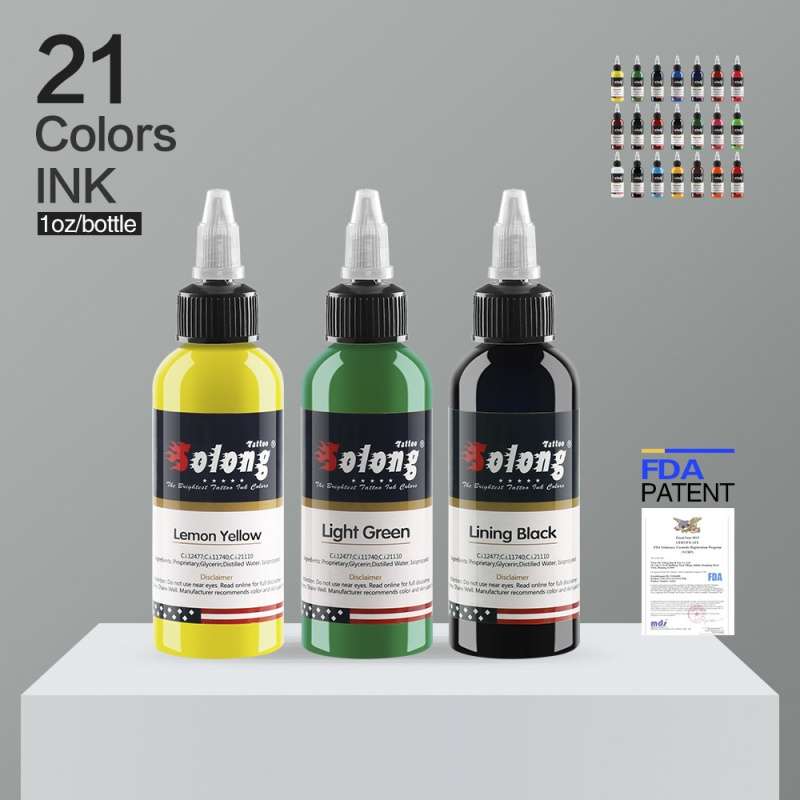
Multi-color kits give you breadth. They’re excellent for artists who work in many styles or want to experiment without buying dozens of large bottles.
21 Color Tattoos set—21 colors in 1 oz (30 ml) bottles, described for lining, shading, and all-purpose use. This kind of kit brings a ready-to-go palette that blends well and helps artists achieve dynamic color work without hauling a dozen full-size bottles.
Labels can be clever. Avoid products that rely on vague terms like “professional” without any specs. Choose inks that specify volume, application type (lining/shading/all-purpose), and formulation details. For example, a product that lists “120 ml” or “1 oz/30 ml per bottle” gives you actionable comparisons. The Black ink above clearly states volume and formulation details, while the 21-color kit highlights color stability and application versatility.
Black is the backbone of most pieces. For crisp outlines and rich shadows, choose a professional black that specifies both lining and shading performance. The Professional Black Tattoo Ink (120 ml) is designed for lines and shading: deep, true black pigment with smooth consistency. Multiple different packaging options make it easy to scale up for a busy studio without constantly reordering.
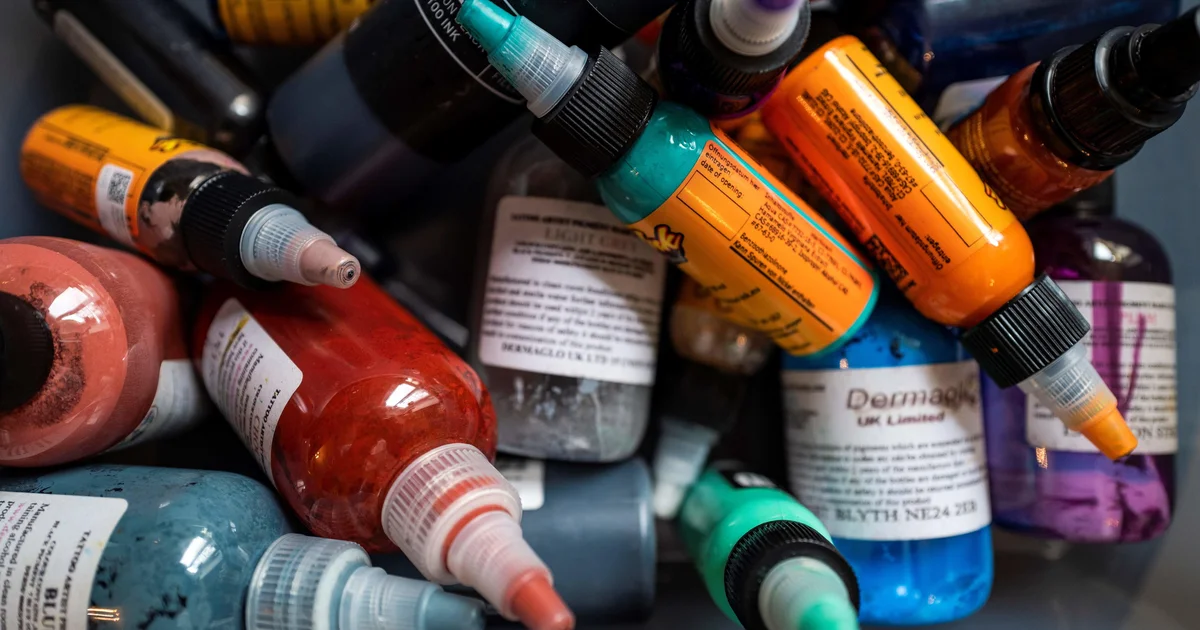
Color work is a different game. You want predictable blends, consistent flow, and trustworthy pigments. The 21 Color Tattoos set provides a broad palette in 1 oz (30 ml) bottles—useful for portraits, neo-traditional fills, and bright illustrative work. Because these bottles are smaller, they’re also handy for travel or limited color edits during a session.
Artists often create custom shades by mixing pigments or using washes. If you plan to mix, test combinations on practice skin or synthetic pads. Some tattoo ink brands blend easily into gray washes for softer portraits; others maintain stronger saturation and are best used straight. When diluting, always use the recommended thinner and record the dilution ratio; never use household liquids.
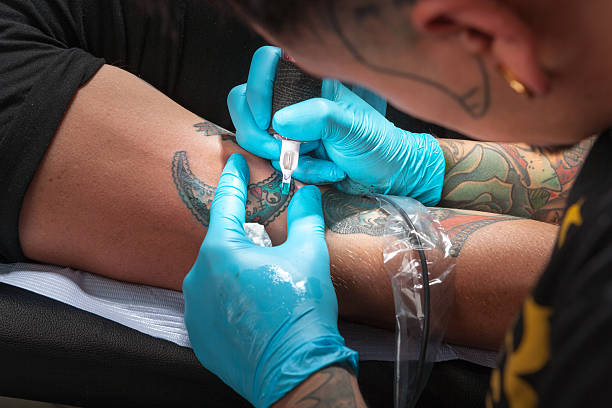
Regulations vary by country and region. Regardless of local rules, professional studios should maintain high standards: use sterilized materials, track batch information, and follow strict hygiene. When buying tattoo ink, ask suppliers about manufacturing hygiene practices and any available certifications.
Think about your workflow. If most of your bookings are black-and-gray or line-heavy, the 120 ml Professional Black Tattoo Ink reduces downtime and reorders. If you’re doing color pieces, portraits, or multi-hue commissions, a 21-color 30 ml kit gives flexibility. Many artists carry both: a large black for outlines and a multi-color kit for fills and blends. [FDA Safety Tips Regarding Tattoo Ink]
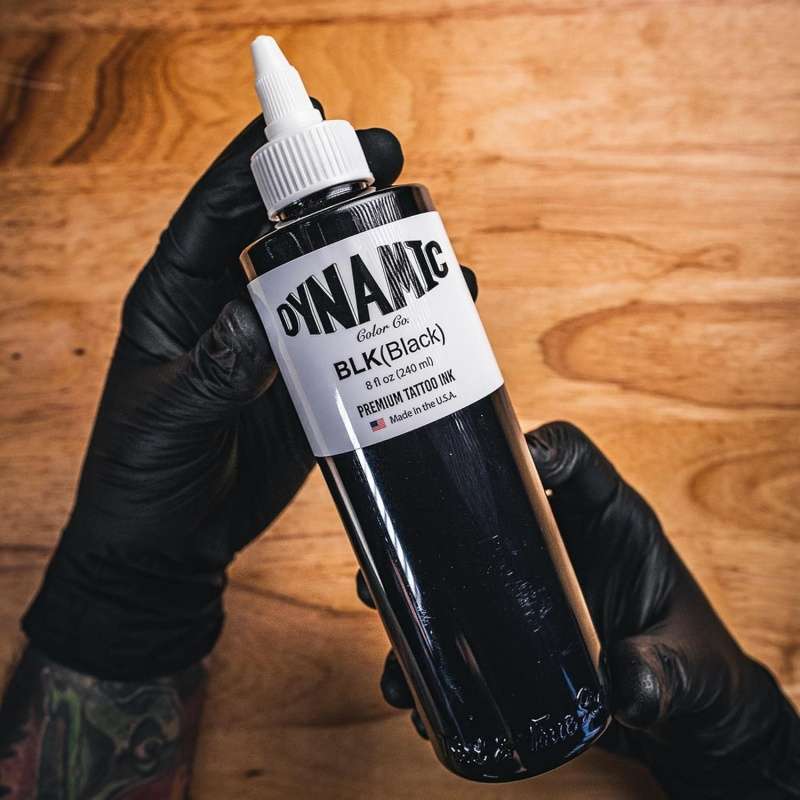
If I had to pick a starter combo, I’d choose the Professional Black Tattoo Ink 120 ml for consistent lining and a curated selection from the 21 Color Tattoos set for color work. The 120 ml black covers heavy-use needs with packing options (1, 3, or 6 bottles), while the 21-color kit supplies ready-to-blend hues in 1 oz (30 ml) bottles. Together they cover lining, shading, and a wide palette for fills and blends.
Buying tattoo ink doesn’t need to be mystifying. Prioritize safety, check labels, and match volume to your use. For many artists, a studio-ready 120 ml black plus a 21-color 30 ml kit strikes the right balance between reliability and creative range. Choose inks that clearly state application types and volumes, and always test new bottles before using them on clients. Shop wisely, tattoo boldly.
Shop professional tattoo ink: 120 ml black for lining and a 21-color 30 ml set.
No account yet?
Create an Account