100% vegan, non - toxic, and sterilized
Trusted by numerous artists
Let’s talk about the rebel of the tattoo palette: white ink. It’s the subject of more myths, hype, and confusion than perhaps any other color. Is it a bold highlight? A recipe for disaster? A subtle secret, or a fading disappointment? The truth about white tattoo ink is more fascinating than the folklore. It’s not just another color; it’s a specialized tool with its own rules, superpowers, and limitations. If you’ve ever wondered about those delicate, milky designs or how artists make colors pop, it’s time to demystify the enigma.
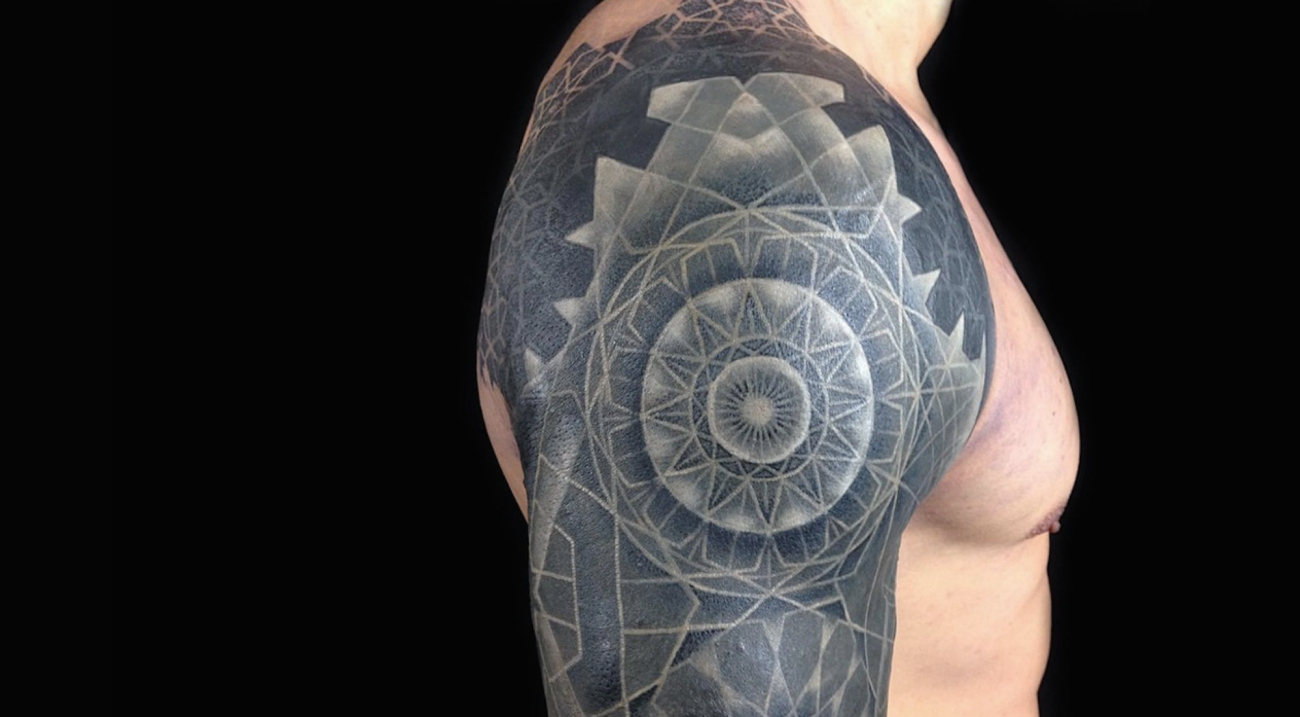
First, let’s clear something up. White ink doesn’t work like a red or a blue. Those colors absorb some wavelengths of light and reflect others, which is what our eyes perceive as “blue” or “red.” White, however, is designed to reflect as much light as possible. It’s usually made of titanium dioxide or zinc oxide—the same pigments in your sunscreen or white house paint.
This fundamental difference creates its biggest challenge: visibility. Our skin has its own color (melanin and underlying tissue), which is why a standard black or blue shows up—it provides stark contrast. White ink has to fight against that natural backdrop. It doesn’t “add” white so much as it creates a reflective layer that lightens the area. How well it shows depends heavily on your natural skin tone, the amount of pigment deposited, and the skill of the artist. This is why its behavior on dark skin is a particular art form, requiring exceptional technique and high-quality pigment.
Forget those Pinterest photos of standalone white tattoos that look like ghostly scars. While possible, that’s its most difficult and unpredictable application. In professional practice, white tattoo ink has three primary, invaluable roles:
Here’s the most common question: “Does white ink fade?” The short answer is yes, often more noticeably than other colors. The long answer is more nuanced. It can fade, it can yellow slightly, and it can be absorbed by the skin more readily. However, calling it “temporary” is a major overstatement.
A good white tattoo ink, from a good professional brand, is formulated for color stability and easy absorption into the skin. When used correctly—primarily as a highlight or mixer within a larger, stabilized design—it can last for many, many years. The horror stories of it disappearing completely in months are usually tied to poor-quality ink, improper application, or unrealistic expectations for a standalone piece on skin it can’t contrast with.
Modern, vegan tattoo ink formulas have also helped. By being free from animal ingredients and other potential irritants, they reduce the risk of an allergic reaction or excessive inflammation that can disrupt how any pigment, including white, heals and settles.
Using wine well isn’t about grabbing a bottle and going for it. It’s a strategic choice. An artist might reach for it at the very end of a color session to add those final pops of light. They know that packing solid white into skin requires a gentle hand to avoid blowouts that look chalky and blurred.
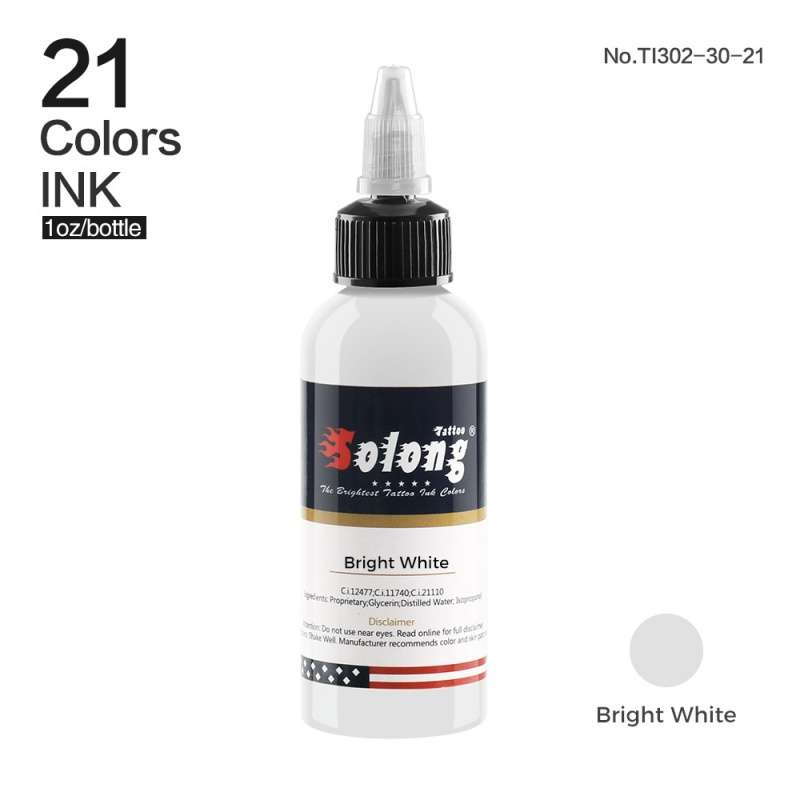
For artists who regularly work with color and need to create a wide range of effects, having a reliable white is non-negotiable. This is why a comprehensive professional set, like the Solong 21 Color Tattoo Ink kit, includes a Bright White. It’s not an afterthought; it’s a core component for modern tattooing. When a set is favored among professional tattoo technicians, it’s because every bottle, including the white, delivers on performance—offering the pure color and consistency needed to execute advanced techniques. It should blend smoothly and heal to a very positive, clean tone, not a yellowish stain.
Q: Can I get a tattoo that’s ONLY white tattoo ink?
A: You can, but manage your expectations. Standalone white tattoo ink tattoos are often subtle and can fade more noticeably than traditional tattoos. They work best on paler skin tones where the contrast is higher. On darker skin, they may be very faint or appear more as a raised texture or scar. Discuss the long-term look openly with your artist.
Q: I’ve heard white tattoo ink causes more scarring. Is that true?
A: Not inherently. Scarring is caused by tattooing technique (needle depth, pressure, overworking), not by a specific color. However, because white pigment can be thicker and requires packing to be visible, an inexperienced artist might overwork the skin. Always choose an artist experienced with using white.
Q: How do I care for a tattoo with white highlights?
A: The same as any tattoo! Keep it clean, moisturized, and most importantly, out of the sun. UV light is the fastest way to break down the yellow-white pigment. Once healed, religious use of high-SPF sunscreen is the absolute best thing you can do to preserve those bright highlights.
The key to understanding white tattoo ink is to stop comparing it to black. It’s a different instrument in the orchestra. It’s the piccolo, not the tuba. Used with skill and realistic expectations, it’s what makes a good tattoo into a breathtaking one. It adds the light that makes the shadows deep and the sparkle that brings a design to life.
So, the next time you see a stunning tattoo and wonder, “How does it look so alive?” look closer. Chances are, there’s a little white magic at work.
Ready to explore the full potential of your palette, highlights and all? Discover professional-grade tattoo ink collections where every color, including a brilliant, stable white, is formulated for artists who paint with light.
No account yet?
Create an Account