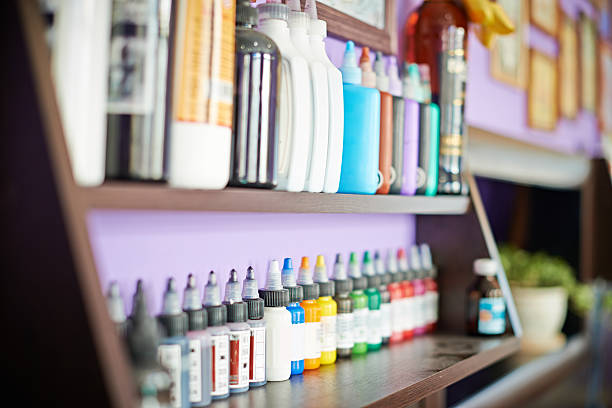
The shelves are overflowing with new tattoo inks.

You’re staring at an online store or a supplier catalogue. Rows of tattoo ink bottles stare back, all promising vibrancy, safety, and perfection. “Premium,” “Professional,” “Best.” The claims are endless. But as an artist, your reputation is on the line with every drop you use. How do you cut through the marketing and genuinely evaluate if an ink is good? Forget the flashy labels; let’s break down the real-world, practical tests and checks that separate studio-grade workhorses from shelf-dwelling disappointments.

The Unboxing: First Impressions Beyond the Bottle

Your evaluation starts the moment the package is opened. A professional product cares about its presentation because it reflects its contents.
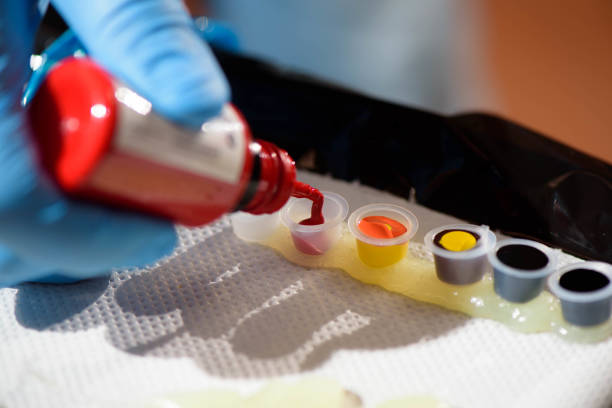
  • Packaging & Professionalism: Is it securely packed? Does the bottle feel sturdy? Is the label clean and legible and does it include crucial information like volume, batch number, and ingredients? Sloppy packaging can be a red flag for sloppy formulation. A brand that invests in clear, professional presentation often invests in the tattoo ink inside.
  • The Clarity of Information: Can you easily find out what it’s made of? Look for mentions of being sterilized and made under hygienic conditions and being free from animal ingredients (100% vegan). Transparency is a key indicator of a brand’s confidence and commitment to safety. Ambiguity here is a major warning sign.

The Visual & Viscosity Test: What Your Eyes and Hands Can Tell You

Tattoo ink visual and viscosity test

Before it ever touches skin, you can learn a lot.

  1. Pigment Density (The “Swirl Test”): Gently swirl the bottle. A high-quality ink, like a true black, should have a dense, rich consistency. You shouldn’t see a thin, watery fluid swirling freely. It should feel substantial. This ultra-concentrated pigment is what leads to better saturation and long-lasting results.
  2. Smooth Consistency is King: While you can’t needle it yet, you can dip a clean, smooth tool like the back of a needle bar into the ink. Pull it out and observe the drip. It should be consistent and relatively smooth, not stringy, clumpy, or too watery. An ink that promises smooth consistency for precise lines and effortless shading must pass this basic fluidity check.
  3. Color Truthfulness: For colors, this is critical. Does the red in the bottle look like a vibrant, pure color, or is it dull? Compare a bright white to others—is it chalky and opaque, or thin and translucent? The color in the bottle is the first clue to its potency on skin.

The Practical Application Bench Test

This is where you move from speculation to experience. Always test a new tattoo ink on synthetic skin or fruit like grapefruit, which mimics skin texture, before using it on a client.

  • Lining Performance: How does it flow? A good black tattoo ink should leave a sharp, dark, consistent line without needing to overwork or go over it repeatedly. Does it “stick” well, or does it seem to pull away? If it’s described as ideal for clean lining, it should prove it here.
  • Shading & Blendability: Dilute a drop with a bit of distilled water or a mixing solution. Does it create a smooth, predictable wash, or does it separate or become blotchy? A versatile ink should perform for both shading and lining. For color sets, test how well two shades, like a baby blue and a rose pink, blend together. Do they create a dynamic shade or a muddy mess?
  • Wipe-Away Test: After applying, gently wipe the test surface with a damp paper towel (simulating the constant wiping during a tattoo). Does the pigment hold firmly in the lines, or does a surprising amount lift off, indicating poor easy absorption into the skin? An ink that stays put during this process will have a better chance of staying put in the dermis.

The Healing Simulation & Longevity Forecast

You can’t fast-forward weeks, but you can make educated guesses based on composition and early results.
  • The Chemistry Clue: Revisit the ingredients and claims. An ink formulated for superior color retention and resistance to fading is making a direct promise about your healed work. Color stability isn’t a buzzword; it’s the result of stable pigments. Inks prone to rapid fading often use cheaper, less stable colorants.
  • The Allergic Reaction Factor: While you can’t test this personally, you can minimize risk. Vegan, non-toxic inks that omit common irritants (like certain metal-based pigments in some reds) are statistically less likely to cause problems. Choosing inks that prioritize being safe and reliable is a proactive part of your evaluation.
  • The Skin Tone Consideration: Think critically about color on dark skin. Do those browns have enough opacity and warmth (dark brown, medium brown) to show up beautifully, or are they too ashy? Would that blue have the depth to stand out? The best tattoo ink brands are now formulating with diverse skin tones in mind.

Building Your Kit: The Strategic Evaluation

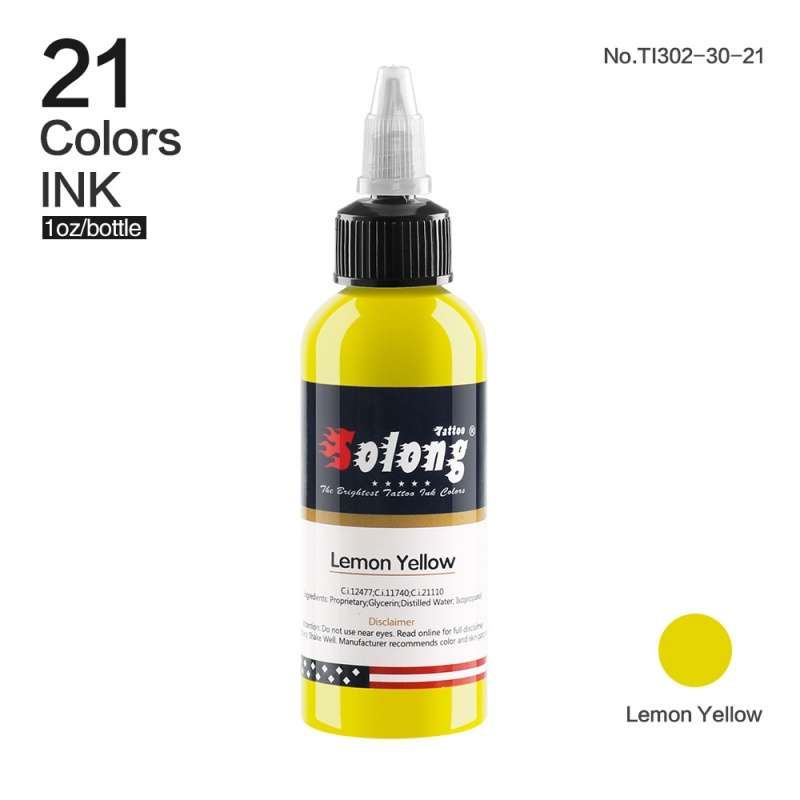
Lemon Yellow Tattoo Ink

Your final evaluation is about how the ink fits into your practice.

  • The Foundational Investment: For your core black, you’re not just buying a color; you’re buying reliability. A professional black tattoo ink that offers consistent performance trusted by artists worldwide is a strategic choice. It becomes the dependable foundation of your portfolio. Buying it in a larger 120 ml bottle is a cost-effective vote of confidence in an ink you’ve vetted and trust.
  • The Versatility Audit: For colors, a comprehensive set like a 21-color tattoo ink set should be evaluated as a system. Is the quality consistent across all shades? Is the blue gem as reliable as the lemon yellow? A set favored among professional tattoo technicians suggests that consistency. It allows you to expand your stylistic range without having to vet 21 individual brands.

The Verdict: Trust, But Verify

Evaluating tattoo ink is an ongoing process that blends science, sensory feedback, and professional intuition. The best ink for you is one that passes these practical checkpoints: it looks dense, flows smoothly, applies predictably on test surfaces, comes from a transparent and safety-focused brand, and fits your artistic and business needs.

Don’t just take a brand’s word for it. Be your own toughest critic. Your art and your client’s skin deserve such scrutiny. When you find an ink that consistently meets these standards, you’ve found more than a supplier; you’ve found a partner in your craft.

Ready to put your next ink to the test? Explore our professionally formulated collection, where every bottle is designed to meet the critical eye of a serious artist.

Leave a Reply

Your email address will not be published. Required fields are marked *