100% vegan, non - toxic, and sterilized
Trusted by numerous artists
Let’s be honest—when you’re scrolling for supplies or sitting in the artist’s chair, all tattoo ink bottles can start to look the same. “Premium,” “Professional,” “Vibrant.” But what do these words actually mean? Is there real science behind the hype, or is it just clever marketing? The truth is, the difference between a good tattoo and a breathtaking, long-lasting masterpiece often boils down to the microscopic world inside that bottle. Today, we’re geeking out on the chemistry and physics of tattoo ink to understand what truly makes one formula the best choice for your skin.
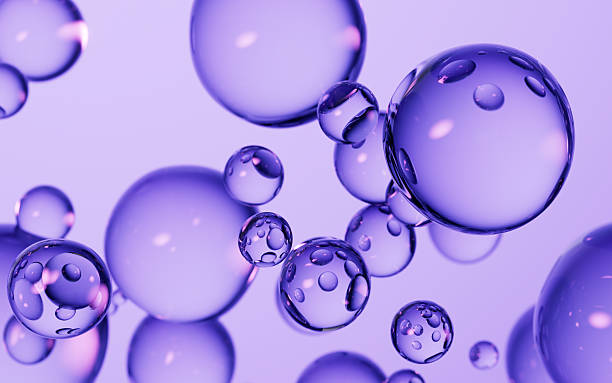
At its core, tattoo ink is a sophisticated suspension, not a simple solution. Imagine a snow globe: the “snow” are the pigment particles, and the liquid is the carrier solution. The quality of that “snow” is everything.
High-end inks use ultra-concentrated pigment that is finely ground and meticulously processed. Think of it like the difference between coarse sand and fine talcum powder. Finer, more uniform particles create a smooth consistency that flows evenly through the needle, allowing for precise lines and effortless shading. This is why a professional black ink can achieve that deep, true black—it’s packed with high-density, pure carbon particles designed for maximum opacity and minimal fading.
Cheaper inks often use larger, irregular particles. This can lead to a gritty feel, inconsistent application, and a higher likelihood of the body’s immune system breaking down and dispersing the pigment over time, causing premature fading. The goal of a superior tattoo ink is to create a stable, homogeneous mix where the particles suspend evenly and absorb into the skin predictably.
If pigment is the star, the carrier solution is the expert stage manager. This liquid blend, often containing water, glycerin, witch hazel, or alcohols, has several critical jobs:
The carrier is also where a lot of safety innovation happens. Modern, reputable inks are sterilized and made under hygienic conditions. The shift to vegan tattoo inks with animal-free formulations is significant. By replacing common animal-derived stabilizers (like bone char or shellac) with plant-based or synthetic alternatives, brands eliminate a potential source of contaminants and reduce the risk of an allergic reaction, making the ink compatible with more clients.
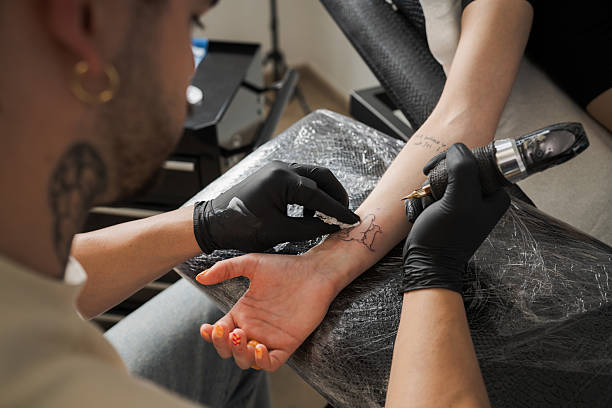
This is where we see the most dramatic difference between amateur and professional-grade inks. Color stability isn’t a buzzword; it’s a chemical promise.
When you implant a bright red or a gem blue, it’s entering a battlefield. The body’s immune system sends cells to encapsulate the foreign pigment particles. Sunlight (UV radiation) bombards it. Cheap inks use less stable pigment compounds that can oxidize or break down under these conditions. That brilliant red might fade to a dull pink, and a royal blue might shift toward a slate grey within a few years.
A high-quality ink is formulated with colorfast pigments designed to withstand this environment. When a product description says the color is very positive after healing, it means the chemical structure of the pigment is resilient. This is especially crucial for colors like white and yellow, which are historically challenging. A bright white that actually stays visible highlights the use of advanced, opaque titanium dioxide formulations.
The final test of ink science happens after you leave the studio. A healed tattoo is the ultimate result.
The process is fascinating: your body works to wall off the pigment particles with fibroblasts (skin cells). A superior tattoo ink supports this process. Its easy absorption into the skin and biocompatible formulation mean it settles evenly and securely within the dermis. This leads to crisp lines, solid color packs, and smooth gradients that look intentional and integrated.
Poor quality ink can cause excessive inflammation, leading to blurry lines, patchy color, or scarring. It can also migrate more as the body struggles to process it. The science of a good ink ensures the healing journey has a predictable, beautiful destination.
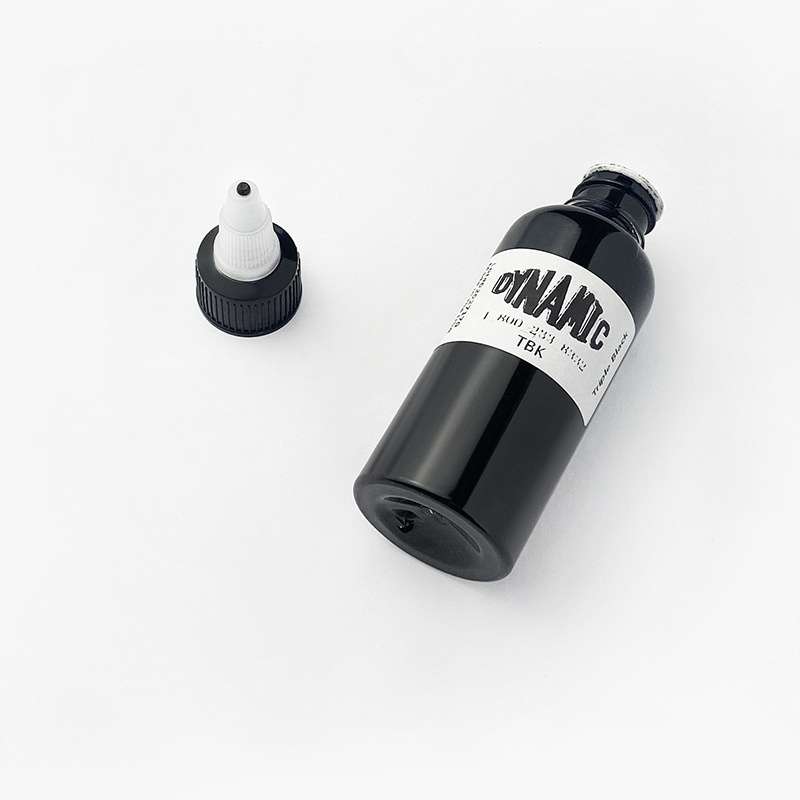
For an artist, building a kit is like a chemist assembling a trusted periodic table. Each element must be reliable.
Choosing a tattoo ink is more than selecting a color. It’s choosing a biochemical partnership with your skin. The “best” ink is the one backed by real science: meticulously ground pigments, intelligent carrier solutions, and a formulation dedicated to stability and safety. It’s the difference between a tattoo that simply ages and one that endures with integrity.
When you choose inks built on this foundation, you’re not just buying a product—you’re investing in the future clarity of every line and the lasting vibrancy of every color. Demand the science that matches your art.
Ready to upgrade your chemistry set? Explore our scientifically crafted, professional-grade tattoo inks, where every bottle is engineered for performance.
No account yet?
Create an Account