100% vegan, non - toxic, and sterilized
Trusted by numerous artists

Remember when a visible tattoo could get you passed over for a job? When they were the exclusive domain of sailors, rebels, and fringe subcultures? Fast forward to today, and your barista, your banker, and your PTA president likely all have one. This seismic cultural shift isn’t just about aesthetics; it’s a revolution in self-expression that has fundamentally changed what we demand from the art—and crucially, from the tattoo ink itself. The journey from the sidelines to the spotlight means the tools of the trade have had to evolve, prioritizing quality, safety, and artistic versatility to meet the standards of a whole new world of clients.
Tattooing’s path to the mainstream is a fascinating story of reclamation. For decades in the West, it carried heavy baggage—association with criminality, rebellion, or transient lifestyles. The turning point began in the late 20th and early 21st centuries. Sports stars, musicians, and later, actors and CEOs, began showcasing sophisticated body art. Social media platforms like Instagram became global galleries, democratizing tattoo artistry and making everything from delicate line work to photorealistic sleeves part of everyday visual culture.
This normalization did something powerful: it shifted the conversation from “Why would you get that?” to “What does that mean to you?” and increasingly, “Who is the artist?” As tattoos became legitimate personal and artistic statements, the expectation for their quality, safety, and longevity skyrocketed. No longer just a mark of identity for a select few, they became a curated part of one’s personal brand for the many. And the foundation of that brand is the tattoo ink used to create it.
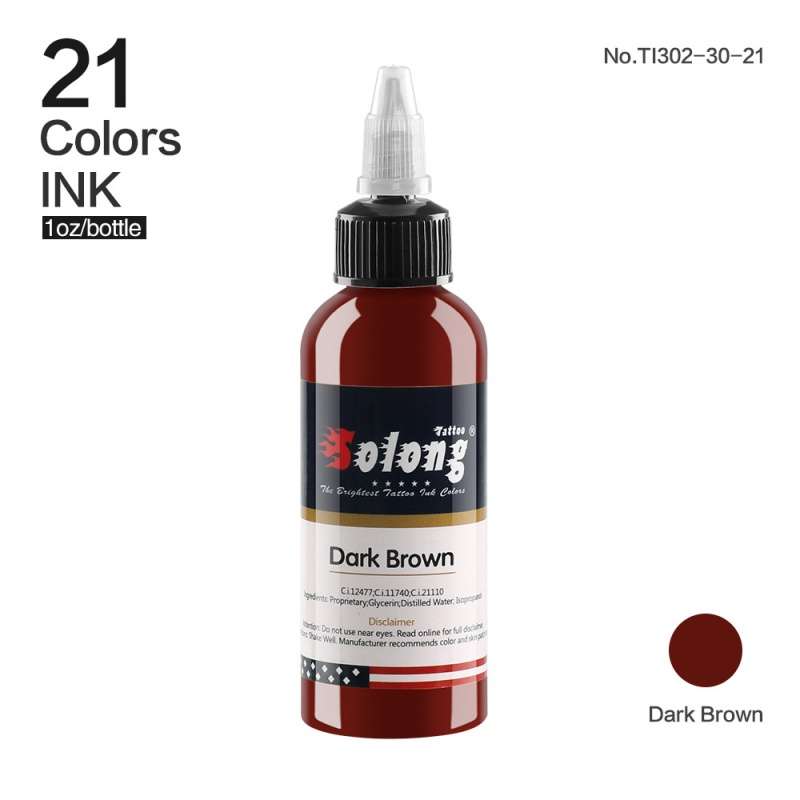
Today’s tattoo client is a far cry from the stereotype. They are researchers. They scroll portfolios, understand different styles, and often come in with very specific ideas about color, placement, and meaning. This informed clientele has driven the industry toward unprecedented professionalism.
[U.S. Government Safety Tips Regarding Tattoo Ink]
To serve this new, discerning market, the professional tattoo artist’s toolkit has become more sophisticated. The best tattoo ink is no longer a luxury; it’s a baseline requirement for building a reputable practice.
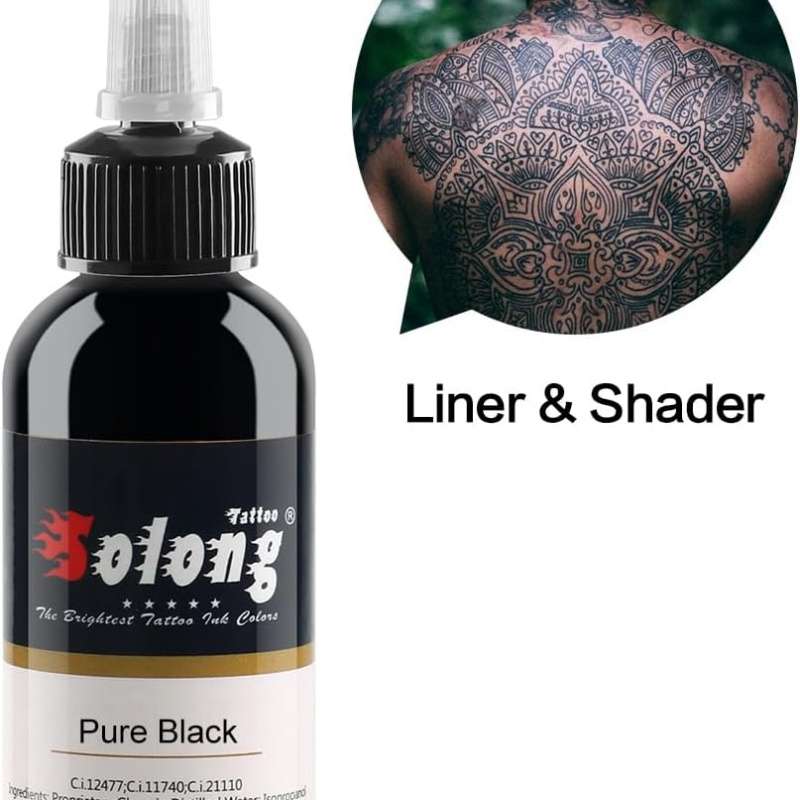
In our digital, fast-moving world, the deliberate permanence of a tattoo is part of its new appeal. It’s a tangible mark of identity, memory, or belief. But for it to hold its meaning, it must hold its form. The cultural shift has redefined a “good” tattoo. It’s no longer just about the symbolism or the skill of the line work; it’s about the holistic quality of the piece years down the road. Does the black still look sharp? Has the red faded to pink? Does the whole composition look intentional and integrated with the skin?
This long-term view is why the conversation around tattoo ink has moved from the back room to the forefront. Clients are investing in art, and they (and their artists) are investing in the materials that ensure that art endures. The mainstream hasn’t diluted tattooing; it has elevated the standards for what a tattoo should be.
The story of tattoo culture’s acceptance is ultimately a story about quality rising to meet opportunity. As society opened its arms to body art, the industry responded with better, safer, and more artistically profound tools. Choosing your tattoo ink is now a critical part of that narrative. It’s a choice between a product that merely colors the skin and one that honors the cultural importance the tattoo now holds.
Whether you are an artist building a practice for the modern world or a client seeking a piece that reflects your personal story in the best possible light, start with inks that are designed for this era. Choose professional, stable, and safe pigments to ensure your artwork and the culture it represents can be passed down through generations, shining brightly.
Ready to create with inks built for today’s culture? Choose tattoo ink that matches the quality and ethos of modern body art, and explore our professional-grade collection.
No account yet?
Create an Account