100% vegan, non - toxic, and sterilized
Trusted by numerous artists
If tattoos are wearable art, then tattoo ink is the paint—except you can’t just wipe it off and start again. Understanding pigment types, saturation, and longevity will save you time, money, and a few awkward “why did that red disappear?” conversations with clients. This guide breaks down the color science in practical terms, explains how different pigments behave, and shows how a sensible product pair covers most studio needs.

Knowing your tattoo ink matters for three reasons: color predictability, client safety, and lasting results. The pigment chemistry dictates how a hue heals, how it fades, and how easily it blends into washes. Pick the wrong ink and you might get muddy colors, premature fading, or uneven saturation. Pick the right ink, and your lines stay crisp, your gradients stay smooth, and clients leave happy.
Ink pigments fall into a few practical groups. Here’s how they affect your work.
When you need pure, long-lasting black for outlines and heavy fills, choose a professional black formulated for lining and shading.
Saturation describes how concentrated a pigment is in the carrier fluid. High saturation gives deep, true color and better coverage; low saturation creates subtle washes and soft transitions.
A professional black with ultra-concentrated pigment is ideal for saturation-critical tasks like lining and heavy fills. The larger volume keeps studio workflow smooth and consistent.
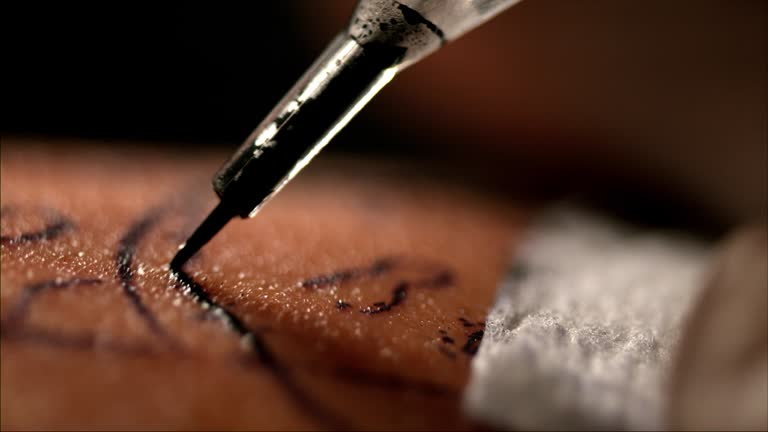
Carrier fluids carry pigment into the skin, affecting flow and needle behavior. Common carriers include water, glycerin, and alcohol blends. The ideal tattoo ink carrier gives smooth flow through coil and rotary machines, avoids separation, and stabilizes pigment.
The Black Ink’s smooth consistency and suitability for both coil and rotary machines are practical pluses for diverse studio setups.
Durability depends on pigment chemistry, aftercare, and skin type. Some rules of thumb:
Professional-grade tattoo ink designed for color stability and long retention reduces unpredictability. A multi-color kit that emphasizes color stability is useful for artists who want predictable healing.
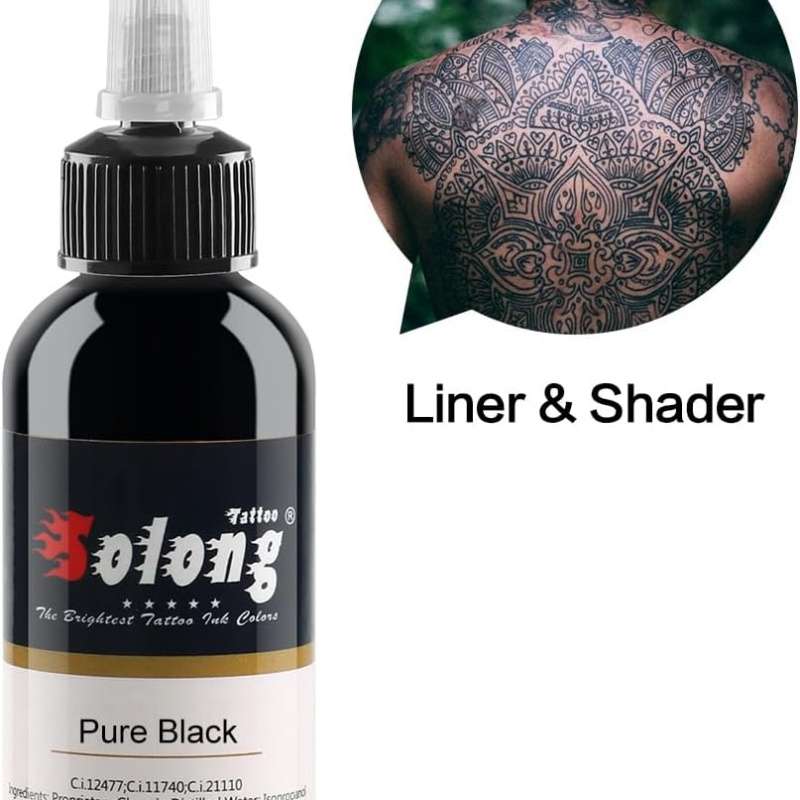
If you do portraits, realism, or watercolor work, payout and blending matter. Pigments that mix predictably let you create even washes and smooth transitions.
The 21 Color Tattoos kit blends well with pre-made washes, making it a logical companion for artists who mix custom tones on the fly.
Before committing to a large order, run simple tests:
These steps protect your reputation and help you learn how each pigment behaves.
Here’s a style-by-style cheat sheet that uses pigment logic, not buzzwords.
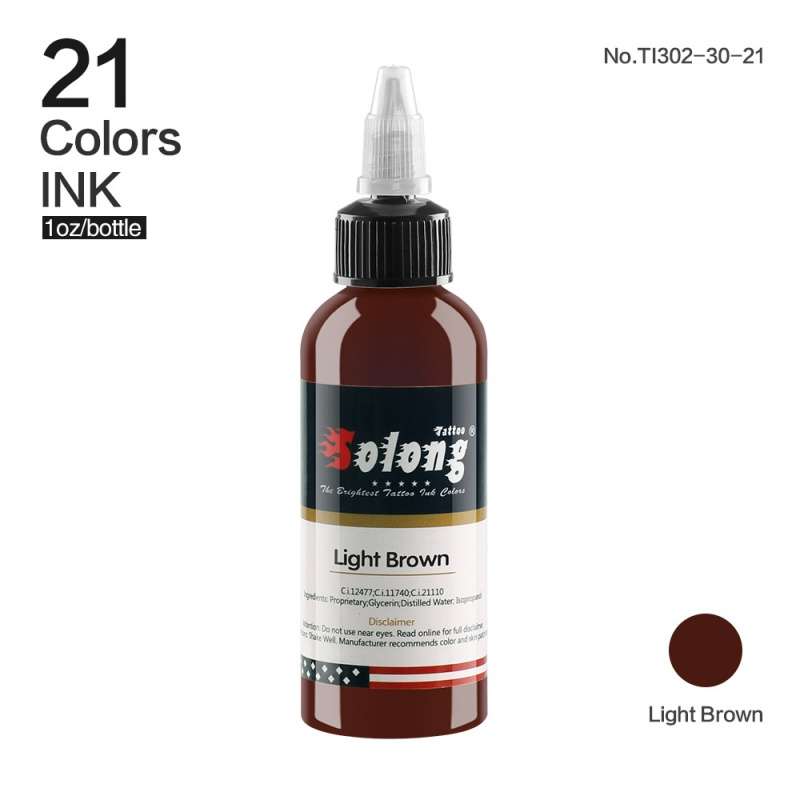
You don’t need a warehouse of bottles. Two thoughtfully chosen products can cover most studio demands:
Use the black for structural work and shadows; reach for the color set when you need saturation and blendability.
Durability isn’t just about pigment chemistry. Educate clients:
Good aftercare standards multiply the effectiveness of quality tattoo ink.
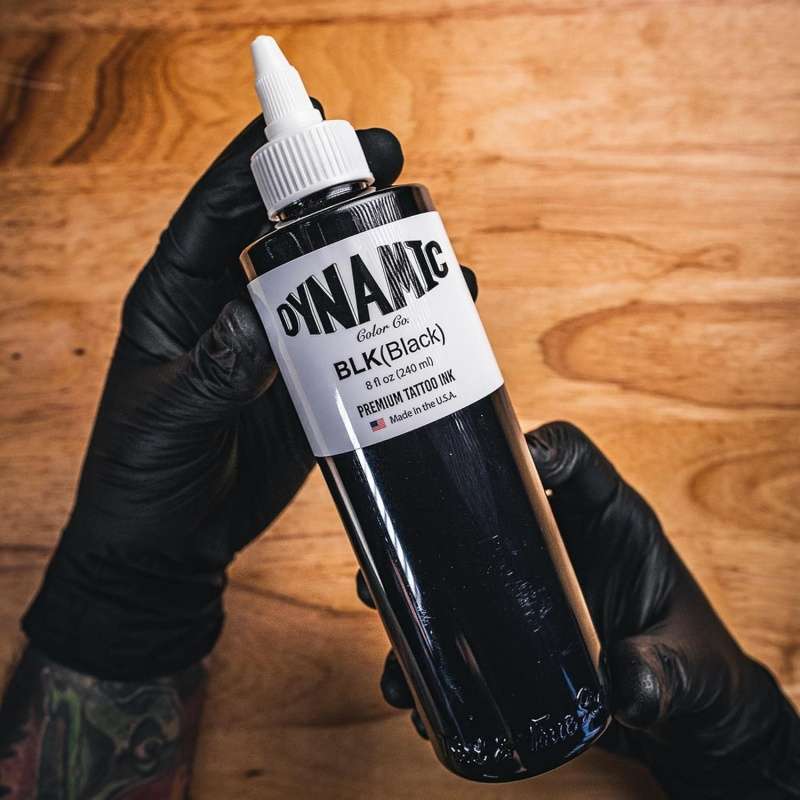
Understanding pigment types, saturation, and longevity makes you a better artist and buyer. For most studios, a dependable tattoo ink workflow looks like this: a professional black for lines and fills, plus a compact color set for blends and bright work. Test every batch, record your mixes, and communicate aftercare clearly.
If you want a practical starting kit, grab a large Professional Black Tattoo Ink for consistent lining and shading, and pair it with a 21 Color Tattoos set for flexible color work. That combo gives you saturation, blendability, and studio efficiency—without overbuying.
Stock your kit with Professional Black Tattoo Ink and a 21-color tattoo set for reliable color and saturation.
No account yet?
Create an Account