100% vegan, non - toxic, and sterilized
Trusted by numerous artists
Good tattoo work starts with quality pigment—and great results rely on how you store and use that tattoo ink afterward. Whether you run a busy studio or assemble a tidy travel kit, small habits around storage, handling, and client aftercare make the difference between vibrant, healed color and an expensive touch-up. This guide walks through practical, studio-tested care tips for tattoo ink, with clear do’s and don’ts and product-minded recommendations you can act on today.
Tattoo ink isn’t just paint—it’s a formulated pigment-and-carrier system that responds to heat, light, contamination, and time. Poor storage can cause separation, contamination, or color shifts. Mishandling during setup risks cross-contamination. And bad aftercare choices by clients can accelerate fading of black, red, blue, white, or brown tones. Look after your inks, and you protect both artwork and reputation.
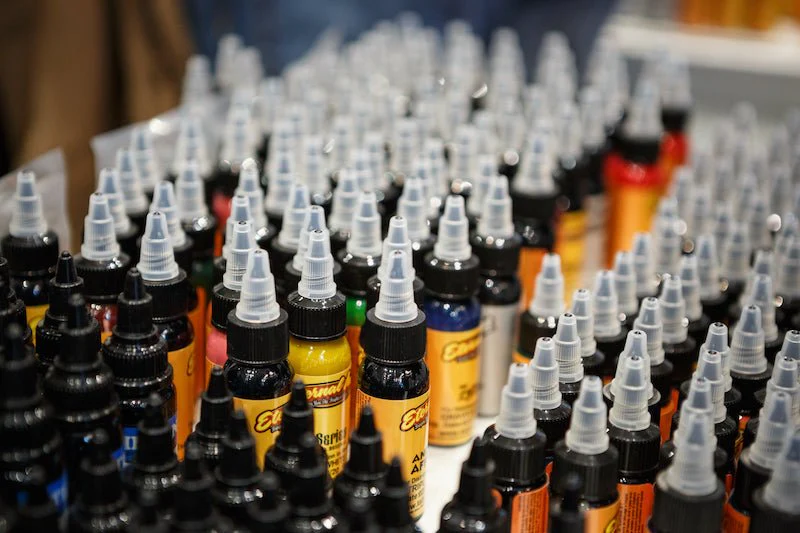
Store tattoo ink in a cool, dry place away from direct sunlight. High temperatures accelerate chemical reactions and may alter the stability of the pigment; light, especially ultraviolet light, can accelerate the fading of some pigments. Keep bottles upright, sealed, and organized by batch or open date.
For busy shops, larger volumes make sense. A professional 120 ml black bottle is a smart studio staple: its larger format reduces cranky mid-session swaps for lining and heavy shading work. For color work, smaller 1 oz (30 ml) bottles let you rotate fresh pigments and minimize waste while keeping colors like bright red or delicate white ready.
Hygiene starts before the needle touches skin. Use single-use ink caps for session pours—never dip needles back into bottles. Label opened bottles with the open date and batch number. If you see particulate, cloudiness, or a foul smell, do not use that tattoo ink.
When decanting, work over a tray to catch drips; that keeps your bench clean and helps preserve the bottle. For black-heavy sessions, pre-fill a few ink caps from the black bottle and close the main bottle promptly.
Pigments settle. Shake every bottle before use to re-suspend pigment evenly; this step is especially important for high-pigment black and bright blue inks. If an ink separates and won’t reincorporate with shaking, test on practice skin first—and discard if the texture feels off. Better safe than sorry when client skin is on the line.
Cross-contamination is a studio killer. Always use new gloves when reaching for fresh supplies; don’t touch lids or bottles with contaminated gloves. Keep a clean and dirty zone: supplies opened but unused belong in the clean zone; used caps and disposables in biohazard. That safe choreography protects clients and keeps your ink usable.
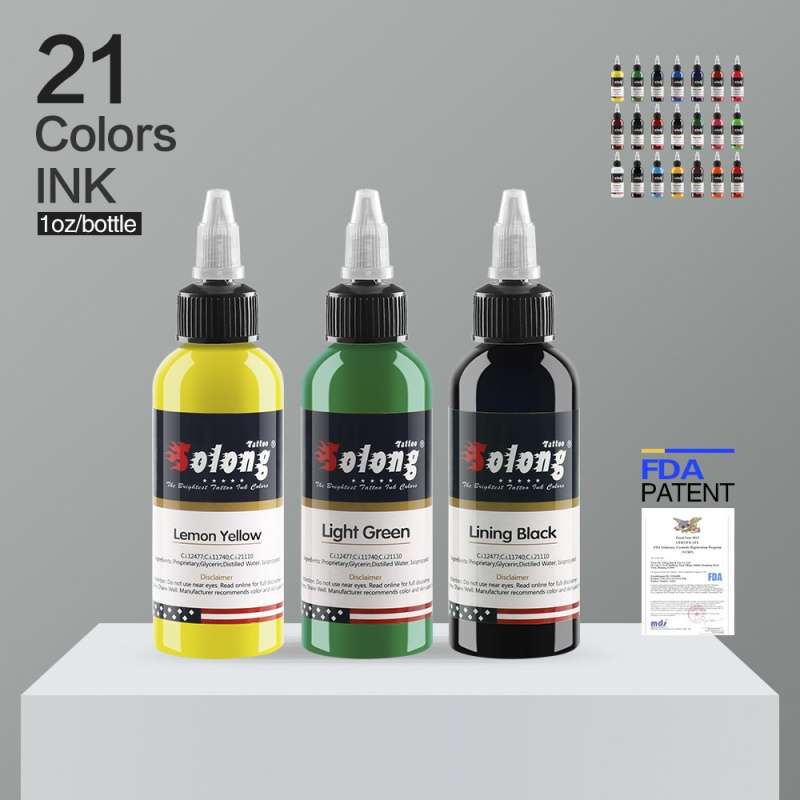
Traveling artists should favor smaller bottles for portability and reduced spill risk. Tight, resealable caps and a padded case prevent leaks. Pack the 21 Color Tattoos kit for on-the-go sessions—the compact color set gives variety without the volume weight of multiple 120 ml containers. Always stow bottles upright and cushioned.

What clients do after the session affects how pigments like red, blue, and white heal. Educate clients to:
A well-followed aftercare plan helps keep color saturation high and reduces the need to retouch brown shading or subtle blue undertones.
Allergic reaction risk varies by pigment. If a client shows swelling, prolonged redness, or persistent itching beyond normal healing, stop and advise medical follow-up. Keep batch info handy; it helps trace potential sensitivities back to specific ink lots. If one pigment repeatedly causes issues, remove it from your rotation.
Most professional inks come with a recommended shelf life. Treat opened bottles like perishable inventory: use first-opened, first-used rotation. For frequently used black, the 120 ml bottle’s larger size is economical, but that doesn’t excuse letting it sit open for months. Mark open dates and aim to consume within the manufacturer’s timeframe to keep the tattoo ink performing as intended.
If you spill, clean immediately with a suitable disinfectant and dispose of waste according to local biohazard rules. Empty bottles should be rinsed if required by your clinic policy and recycled if local regulations allow. Never pour unused ink down drains—ask your supplier or local waste authority for disposal guidance.
For a practice that values both reliability and efficient inventory, keep a professional black tattoo ink for lining and heavy shading and a 21-color tattoo set for color flexibility. The black provides a durable foundation for lines and shadows, while the compact color bottles reduce waste and travel well—a practical pairing that supports careful handling and long-term pigment integrity.
Good care for tattoo ink is less dramatic than a perfect stencil but more impactful over time. Store right, handle with hygiene, rotate inventory, and teach clients good aftercare. Those routine steps keep black crisp, red rich, blue true, and white bright long after the session ends—and save you time on touch-ups. Keep your kit organized, your bottles respected, and your clients informed. Your art will thank you.
Upgrade your studio with reliable tattoo ink that delivers bold color and consistent healing.
No account yet?
Create an Account