100% vegan, non - toxic, and sterilized
Trusted by numerous artists
Tattoo ink isn’t just pigment—it’s part of a story. From a first small wrist piece to full-sleeve declarations, the choice of tattoo ink helps people signal identity, heritage, grief, or joy. This article mixes real-world perspectives with practical advice: how people experience color choices, how black and bright shades age, and why picking the right tattoo ink matters to both clients and artists. Expect human stories, studio-smart tips, and a gentle nudge toward products that actually help you get the look you want.

“When I got my first piece, I picked a red rose because it felt like family,” says Maya, a schoolteacher who favors saturated color. For her, tattoo ink was a deliberate decision: she wanted red that would still read strong after healing. Another client, Jamal, chose a minimalist black script to honor his grandfather—a piece where the black lines needed to stay crisp on dark skin.
These stories show a simple truth: whether someone chooses red, blue, or pure black, tattoo ink is a personal tool. Artists often hear that clients pick colors for emotional reasons more than aesthetic ones. Therefore, technical choices such as pigment stability, saturation, and the ink’s healing process are all closely related to emotional factors.
Color choices carry cultural signals. A white accent can highlight other colors; blue can read cooler or more melancholic; brown tones soften portraits. But social meaning only matters when the tattoo ink behaves reliably. If a vivid blue fades to a dull gray or a bright white disappears into skin tone after healing, the message changes over time.
Artists and clients should consider how ink performs during the healing process. A good black often anchors a design, so many studios keep a dependable studio black on hand—a professional black ink is a pragmatic staple for consistent outlines and shading. For color work, compact 1 oz color sets let artists craft palettes that reflect clients’ identities without overstocking.
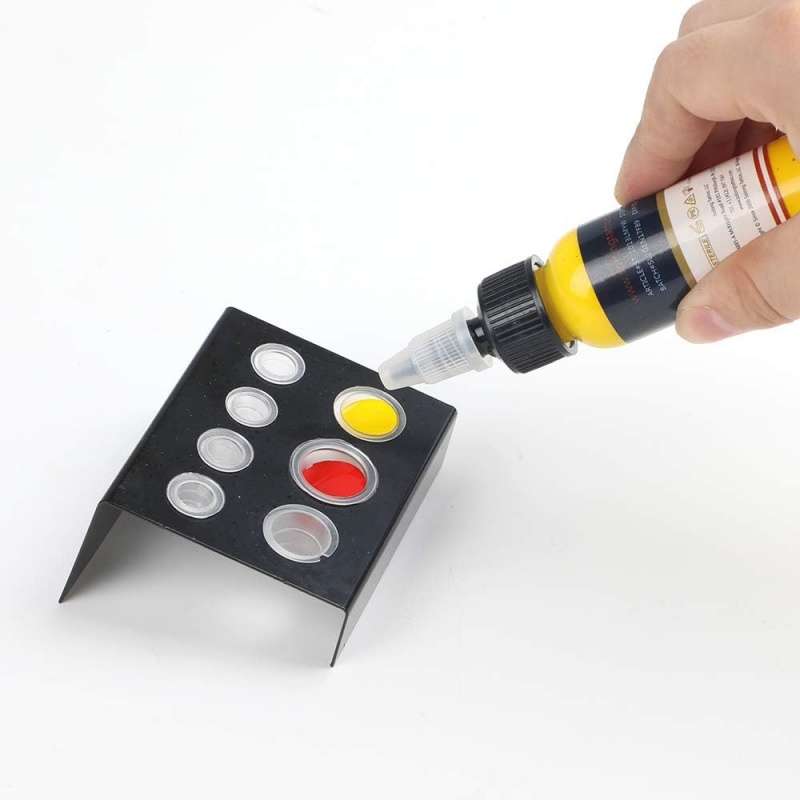
Color behaves differently on various skin tones. On darker skin, certain shades may not be as noticeable, such as certain reds or light browns, unless the tattoo ink is highly saturated and applied correctly. Artists working across skin types adapt technique: they may use deeper pigment saturation for outlines, then layer colors from a 21-color kit selectively to preserve contrast.
It’s also why testing and honest previews matter. A single session with conservative shading can show how a hue performs; it lets the client see how the tattoo ink settles and heals on their particular skin.
Some people worry about allergic reactions to pigments. While true allergic incidents are relatively rare, they do happen. Transparency about ink sourcing and sterilization builds trust: clients who know their artist uses sterilized, professional-grade ink feel safer. When a studio keeps batch records and explains that black and color inks have been processed under hygienic conditions, it reduces anxiety and speeds good decision-making.
If a client experiences unusual swelling or itching beyond normal healing, the studio should respond quickly and provide batch and product information. That traceability is part of ethical practice—and a core reason many professionals favor tested products for both black and color work.
For many, a tattoo becomes part of daily identity work. A small white highlight on a cheekbone tattoo can feel like a secret; a bright red flower on an arm can anchor an outfit. Over time, people develop habits specifically for maintaining the color of their tattoos, such as applying sunscreen in the summer and moisturizer in the winter. Those rituals show how invested people are in the long-term performance of their tattoo ink.
Artists balance aesthetic goals with material realities. Some clients want colors that will look “the same forever.” Artists know that no tattoo ink is magical; longevity depends on pigment, placement, aftercare, and skin. That’s why many pros keep a reliable studio black for crisp lines and a curated color set for expressive work. A practical kit can meet most tattoo needs while remaining accommodating to studio space and budget: it includes a reliable bottle of black ink for outlining and a 1-ounce set of 21 colors for subtle nuances.
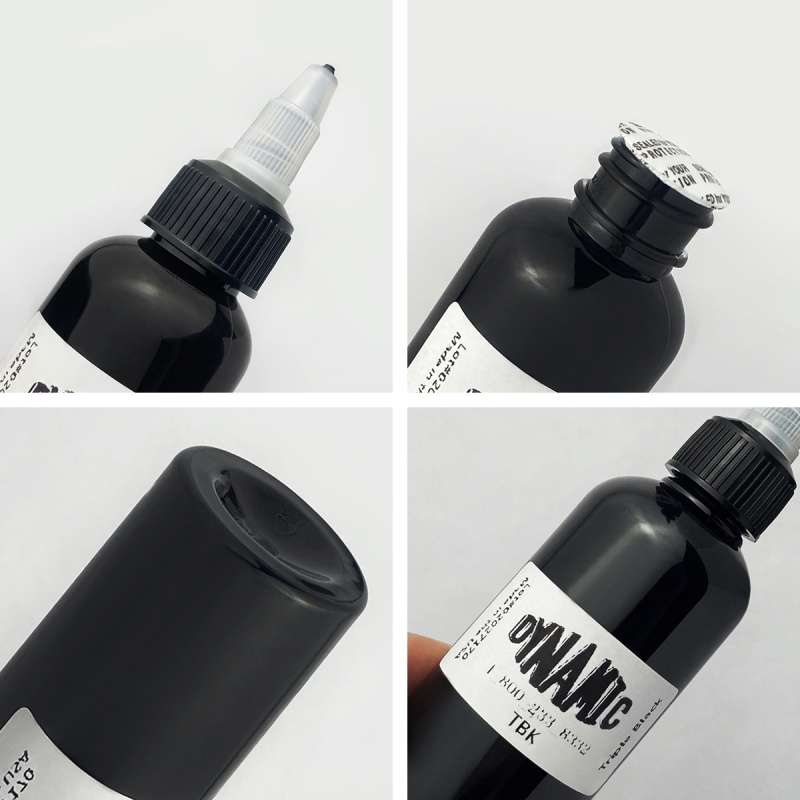
For artists who serve a diverse clientele and for clients who want dependable results, a two-part approach works well: keep a professional Black Ink as your foundation for lining and shading, and maintain a 21 Color Tattoos set for expressive color work. The black gives structure to narrative tattoos; the color set offers the palette to tell those stories in red, blue, and white accents and beyond—without forcing an oversized inventory.
Tattoos age like relationships—they change, adapt, and sometimes need care. Choosing the right tattoo ink, communicating expectations, and practicing sensible aftercare let your tattoo keep telling the story you intended. Whether you pick bold black script or a wash of rose-red petals, make sure your ink choice supports the identity you want to wear every day.
Build a reliable kit with professional Black Ink plus a 21 Color Tattoos set for expressive, lasting color.
No account yet?
Create an Account