100% vegan, non - toxic, and sterilized
Trusted by numerous artists
Tattoo ink is more than color in a bottle—it’s a complex suspension designed to enter the dermis and stay there. For artists and savvy clients alike, understanding the technical principles behind tattoo ink helps explain why certain colors heal differently, why some pigments sit better on dark skin, and why allergic reaction risks vary. Treat tattoo ink as a working material, and you’ll avoid a lot of surprises. This article breaks down how pigment particle size, carrier fluids, viscosity, and needle dynamics combine to determine outcome and offers studio-tested tips for choosing and using inks more reliably.
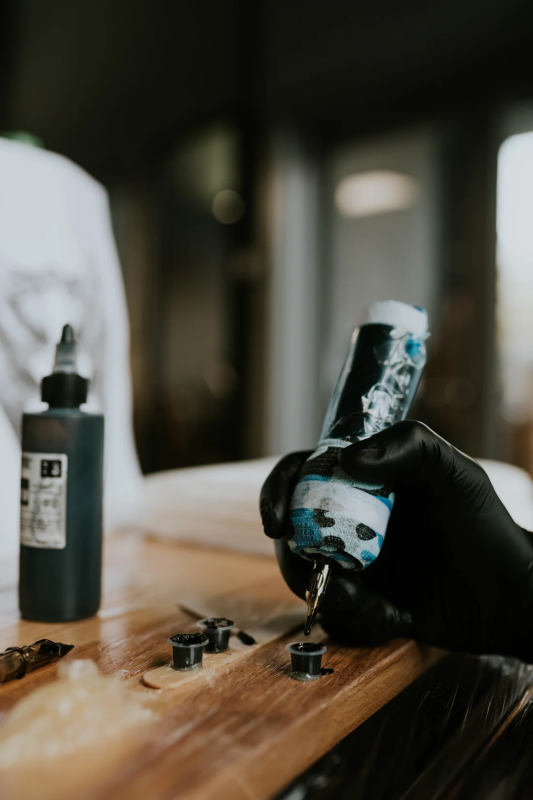
At the heart of every tattoo ink is pigment. Pigment particle size influences color saturation, longevity, and how the skin responds. Smaller particles tend to disperse more uniformly, creating smoother gradients and easier blending. Larger particles can yield denser color but may sit higher in the dermis, potentially fading or migrating differently over time. This balance is one reason studios favor a dependable black source for outlines: a professional black ink is commonly used for deep, true black that lays consistently for both lining and saturation work.
Not all pigments are chemically identical. Organic pigments frequently produce vivid hues like bright red or neon blue, while inorganic pigments are often used for stable, earthy tones and robust black. The chemistry matters: some reds and blues are more sensitive to UV exposure and oxidize differently, which can change how the tattoo ink appears after healing. Knowing the pigment family helps you plan placement, aftercare, and long-term expectations for healed color.
Carrier fluids keep pigments suspended and directly affect how a tattoo ink flows through the needle. Typical carriers mix water, glycerin, and alcohol to balance smoothness, antimicrobial properties, and drying time. A well-balanced carrier ensures tattoo ink flows predictably in both coil and rotary machines—which is crucial for consistent linework. When a carrier is too watery, thin lines can blow out; too viscous, and the ink may not feed evenly through the needle.
Viscosity dictates how an ink behaves under pressure. Needles push ink into the skin by creating micro-channels; the tattoo ink’s viscosity determines whether pigment droplets settle into the dermis cleanly or smear. Faster needle speeds need lower viscosity for smooth flow, while slower machines can handle thicker mixtures. That’s why studio staples like a concentrated 120 ml black ink with smooth consistency are favored for crisp lining and consistent shading—its flow characteristics match a wide range of needle speeds and machine setups.
Tweaking voltage, needle grouping, and hand speed matters more than many artists admit. A tight round liner needs a different ink feed than a loose magnum. Match your tattoo ink viscosity to the needle style: liners demand quicker flow and sharp suspension, while magnums may tolerate slightly thicker pigment during saturations. Always test on practice skin to avoid surprises on living flesh.
Skin variation matters. Melanin-rich skin, oilier skin, and a thicker dermis change how tattoo ink settles and how colors read. On dark skin, contrast depends on saturation and value—deep black and certain blues often hold up best. Lighter tones and whites can be used as accents but may need layering or strategic placement. Artists who understand how pigment particle size and carrier fluids interact with melanin-rich skin can choose the right approach for each canvas rather than expecting one recipe to fit all.
Once injected, tattoo ink faces the body’s cleanup crew. Macrophages engulf pigment particles; many remain in place, which is how a tattoo stays. Particle size and formulation influence whether pigments are retained or cleared, affecting long-term healed appearance. Smaller, well-dispersed particles often produce smoother healed results. When you plan a session, consider how the pigment chemistry will look once fully healed—sometimes the “healed” color is the story the client will wear for years.
Allergic reactions to tattoo ink can stem from pigment chemistry, carrier contaminants, or additives. Reputable manufacturers minimize risks by sterilizing production and controlling ingredients. Studios can further reduce allergic reaction risk with patch tests, transparent sourcing, and clear record-keeping. Using trusted supplies can help manage client expectations and safety.
[U.S. Government Safety Tips Regarding Tattoo Ink]
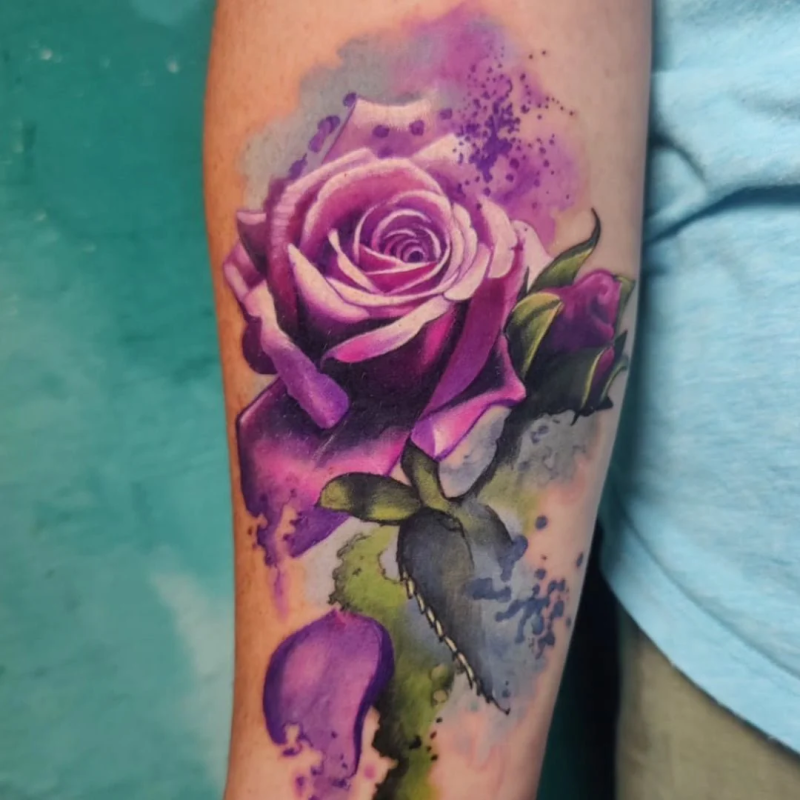
Artists create washes by diluting concentrated pigments to produce grays and subtle tones. The mechanical principle is straightforward: dilute until viscosity supports the needle speed and the pigment particle distribution stays stable. A versatile 21-color tattoo kit is handy because it lets you experiment with mixing and achieve predictable washes without wasting large quantities.
Temperature and light exposure alter pigments slowly but significantly. Heat can accelerate separation and may promote bacterial growth in compromised containers. Store tattoo ink in cool, dark spaces, shake before use, and keep opened bottles sealed. For studios, organizing stock by open date and batch number ensures consistent performance and traceability if a client reports issues.
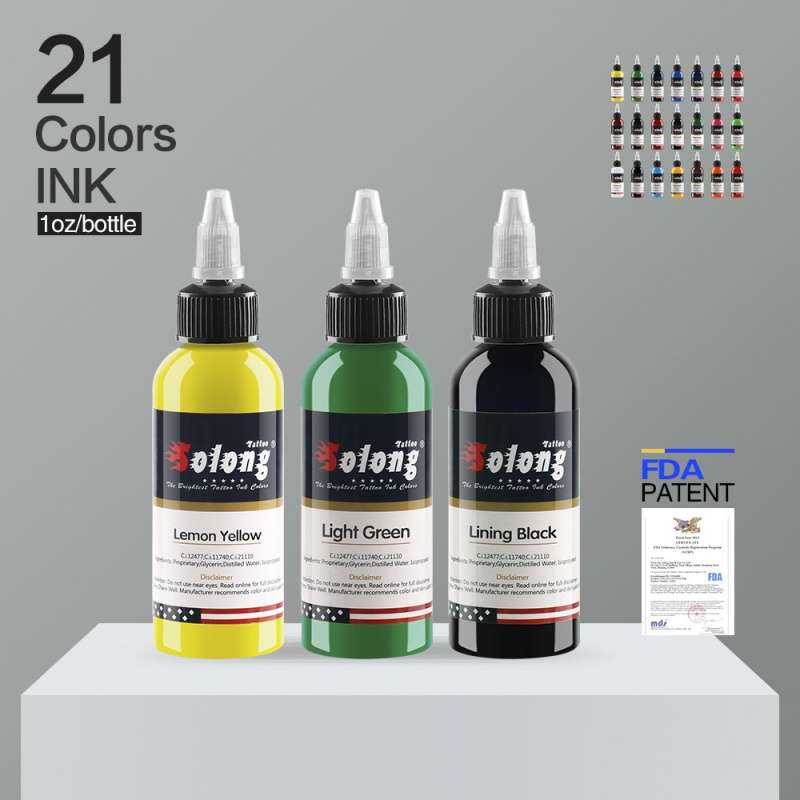
Mechanics explain a lot, but product chemistry is the foundation. A professional Black Ink gives consistent density for linework and shading without constant bottle swaps. Meanwhile, a 21 Color Tattoos set supplies practical palettes that let artists build expressive pieces while controlling waste. Reliable tattoo ink reduces guesswork and lets technical mastery shine.
Understanding the mechanics behind tattoo ink—what particle size does, how carrier fluids and viscosity interact with needles, and how the immune system shapes healed color—empowers better decisions in the studio. Combine technique with trusted products like a dependable Black Ink 120 ml for structure and a compact 21 Color Tattoos 1 oz kit for palette flexibility, and you’ll get predictable, long-lasting results for clients across skin tones. Remember: Viewing tattoo ink as a technical material rather than a commodity will change the way you buy and use it.
Stock trusted tattoo ink—Professional Black plus a 21-color set today.
No account yet?
Create an Account