100% vegan, non - toxic, and sterilized
Trusted by numerous artists

Let’s step into the tattoo time machine. For decades, tattoos were defined by black ink—bold, stark, and timeless. Sailor Jerry flash, early Japanese Irezumi, and most Western work before the 1970s relied on strong black lines with little color. Tattoo ink palettes were largely monochrome. Walk into a studio today and you’ll see a full spectrum: vivid reds, deep blues, and every shade imaginable. This shift from black-and-grey to full color isn’t just technical progress—it’s a cultural story of rebellion, evolving artistry, and self-expression. The rise of color marks the birth of a new tattoo language.
Historically, the dominance of black ink was about more than just pigment availability. Black was practical, bold, and held symbolic weight across cultures. In the West, it represented clarity, permanence, and defiance. The iconic American Traditional style, born from the needs of sailors and servicemen, relied on heavy black outlines that would remain legible and bold for a lifetime, even under harsh conditions and with minimal touch-ups. The ink needed to be a true black, resilient, and unyielding.
This created a visual grammar where meaning was carried by form and symbol, not by hue. The skill of the artist was in their line work and their ability to create depth through shading with that single, trusted black tattoo ink. It was a focused, powerful aesthetic that built the foundation of modern tattooing. Even as color slowly entered the scene, black remained—and still remains—the indispensable structural skeleton of most tattoo art.
The explosion of color in tattooing is a relatively recent phenomenon, tightly linked to post-1960s cultural shifts. As tattoos moved from the fringe of society into broader countercultural movements, the desire for more personal, artistic, and expressive body art grew. This demand crashed into simultaneous advancements in tattoo ink chemistry and sterilization.
Suddenly, artists weren’t just technicians applying predefined symbols; they were painters. They needed a tattoo ink that could do more. They needed color stability—a promise that a red wouldn’t fade to pink or a blue wouldn’t turn grey under the skin. The market responded with better, safer, and more vibrant pigments. This technical leap allowed for entirely new styles to emerge and flourish, from the hyper-saturated colors of Neo-Traditional work to the delicate blends of watercolor tattoos. The availability of good, reliable color inks directly fueled a renaissance in tattoo artistry.
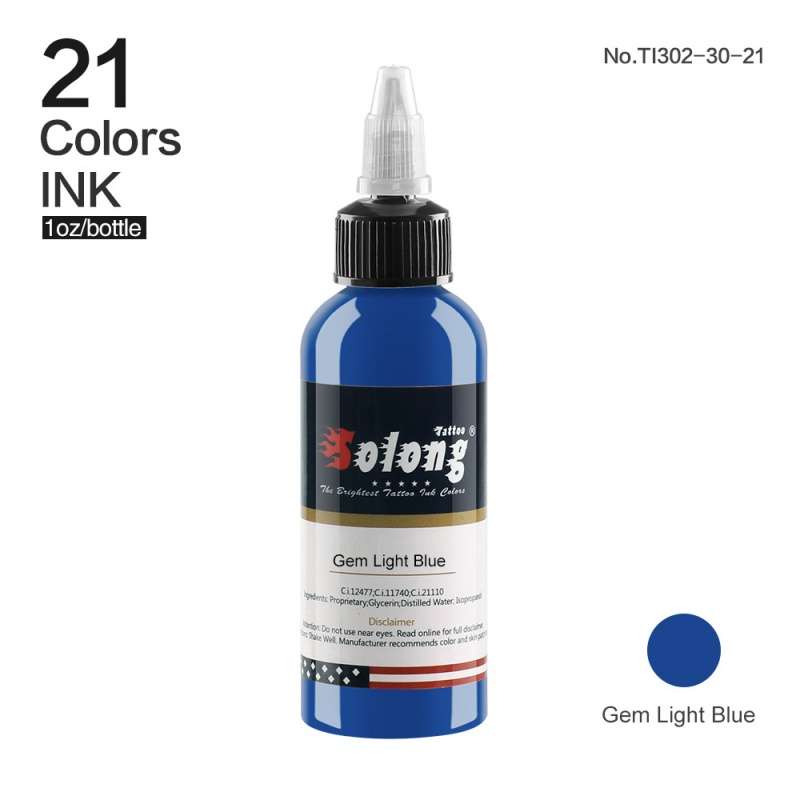
With a full spectrum available, color itself became a language. Clients and artists now make conscious, psychological choices with every hue.
This expansion of meaning is particularly important in the modern emphasis on designing for dark skin. Understanding how different pigments interact with melanin is a specialized skill. It requires colors with enough opacity and the correct undertone to shine beautifully, ensuring that the artistic vision is realized with respect for the individual’s canvas.
Perhaps no color represents the modern, artistic evolution of tattooing more than white tattoo ink. Once used sparingly, white has taken on new roles. It’s used for delicate highlights to make other colors pop, for stand-alone subtle designs, and for creating luminous effects within a larger piece. Its use speaks to a more nuanced, illustrative, and experimental approach to tattoo art. However, it also comes with a conversation about healed results and longevity, reminding us that the choice of color is always a balance between artistic desire and the physical science of the skin.
The cultural acceptance of tattoos has brought with it higher standards. Today’s informed clientele doesn’t just ask, “What color?” They ask, “What’s in it?” The cultural narrative now includes safety and ethics. The rise of vegan tattoo ink—explicitly free from animal ingredients—answers a growing demand for body art that aligns with personal values. Knowing a tattoo ink is sterilized and made under hygienic conditions and formulated to minimize the risk of an allergic reaction is now part of the baseline trust between artist and client. The story of color is no longer just about vibrancy; it’s about responsibility.
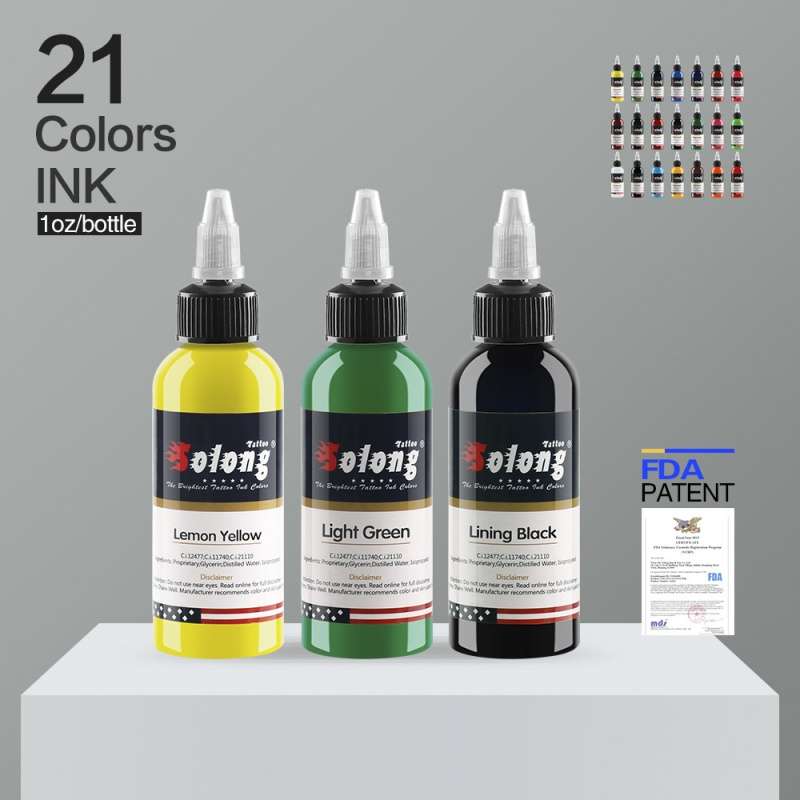
For the contemporary artist, navigating this colorful world means being both a historian and a chemist. It means understanding the weight of a black line and the emotion of a colored fill. For those ready to explore this spectrum, a comprehensive, professional-grade color set is the essential toolkit.
A product like the Solong 21 Color Tattoo Ink Set is a testament to this cultural moment. It’s more than just convenience; it’s a passport to modern tattooing. When a set is favored among professional tattoo technicians, it’s because it delivers on the promises the color revolution made: vibrant, pure color, exceptional color stability, and the ability to create dynamic shades that blend well and heal very positively. It provides the good, reliable pigments needed to tell any color story a client can imagine, from the subtly shaded to the explosively vibrant.
The journey from monochrome to masterpiece is a mirror of tattooing’s own journey from subculture to mainstream art form. The tattoo ink in the bottle holds this history—from the resilient, symbolic black that built the tradition to the dazzling, expressive spectrum that defines its present and future. Choosing your colors is now part of a deeper conversation about art, identity, and the lasting mark we choose to make.
Whether you’re an artist seeking to capture every hue of human experience or a client wanting your personal story told in its full emotional color, the palette is now yours. The only question is, what will you create with it? Unleash the full spectrum of your artistry with our professional color tattoo ink collection.
No account yet?
Create an Account