100% vegan, non - toxic, and sterilized
Trusted by numerous artists
Of all the colors in the tattoo artist’s palette, none commands attention quite like red. It’s the color of warning and welcome, of passion and pain, of lifeblood and love. A red tattoo is rarely an accidental choice; it’s a deliberate statement. But have you ever wondered why this particular hue holds such power, or what makes a good red tattoo ink so special—and sometimes, so challenging? The story of red ink is a fascinating tale woven through history, chemistry, and culture, revealing why this pigment is both a crown jewel and a careful calculation in the world of body art.
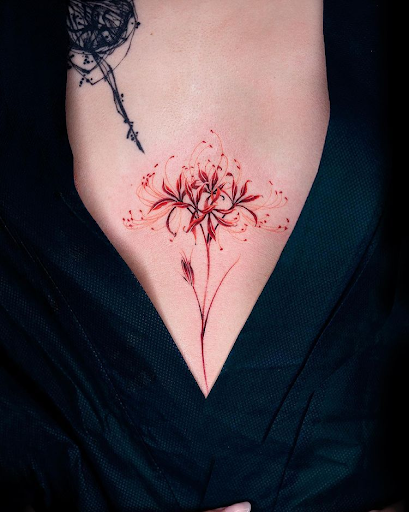
Long before it hit the tattoo needle, red was humanity’s first color. From ochre used in prehistoric cave paintings to vermilion in Imperial Roman ceremonies, red has universally symbolized primal concepts: vitality, danger, power, and sacredness. It’s the color of blood, the ultimate sign of life and sacrifice, and of fire, representing both creation and destruction.
This deep-seated symbolism traveled seamlessly into tattoo traditions. In Polynesian tattooing, red often held spiritual significance. In later Western tattooing, red became the classic accent in nautical and American Traditional styles—a bold, unmissable flourish in an anchor or rose. Choosing red was never just about aesthetics; it was about embedding that age-old symbolism directly into the skin.
Here’s where the story gets tricky. For decades, red tattoo ink developed a notorious reputation. It became the color most commonly associated with allergic reactions. Clients would sometimes report raised, itchy, or inflamed red lines long after their tattoo had healed, a condition known as a granulomatous reaction.
Why? The answer lies in what the ink is made of. Historically, many red pigments were derived from cinnabar (mercury sulfide) or contained heavy metals like cadmium. Even as formulas evolved, certain organic red pigments proved to be more immunogenic—meaning they were more likely to be flagged as a foreign invader by the body’s immune system. This history created a lasting cautionary tale around red ink, making artists and clients alike approach it with extra scrutiny.
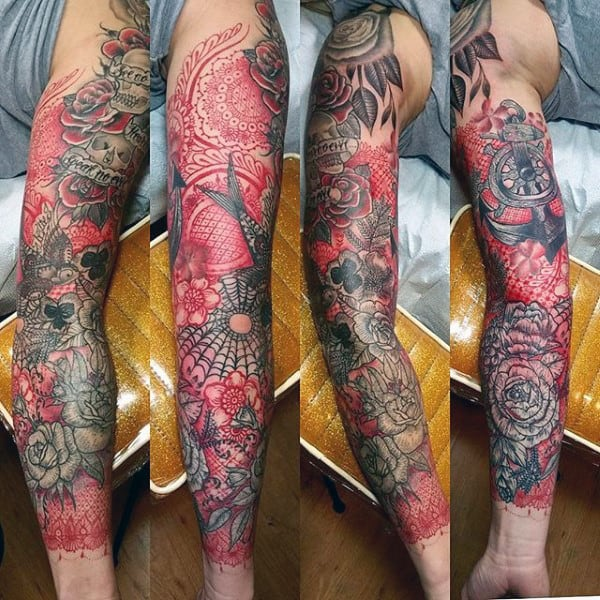
The legacy of problematic reds pushed the industry to innovate. The quest for the best red ink became a mission to balance vibrant color with biocompatibility. Modern, professional tattoo ink manufacturers have tackled this head-on by:
This means today’s artists can access reds that are both stunning and much safer, turning a historically tricky color into a reliable tool for expression.
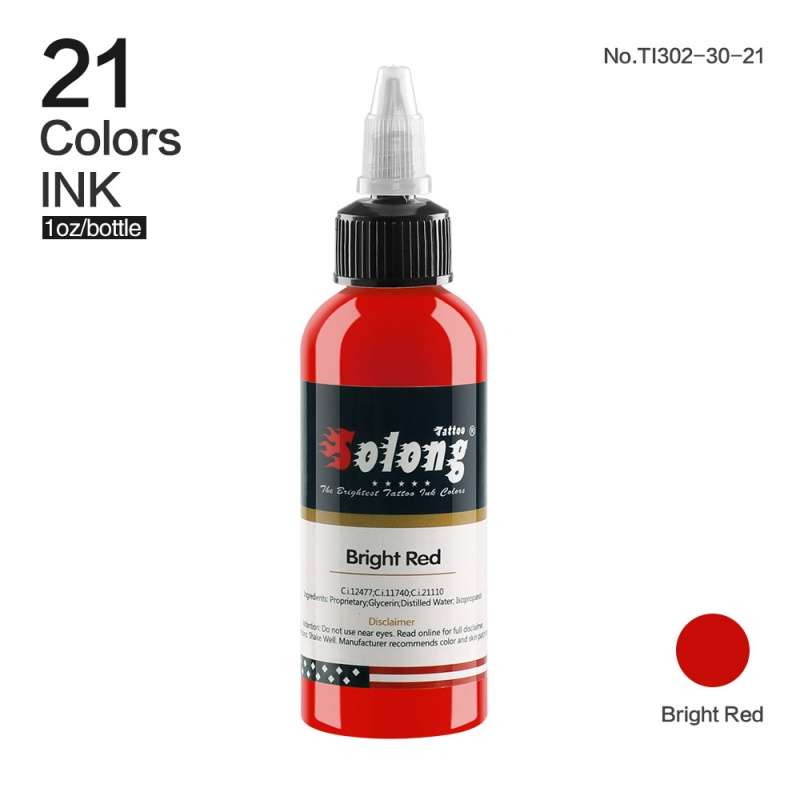
So, what makes a modern red ink worth using? It comes down to performance and purpose. A premium red, like the vibrant Cherry Bomb or Bright Red found in a comprehensive set like the Solong 21 Color Tattoo Ink, needs to be versatile.
The mark of a truly good red is its behavior from bottle to skin. It should have a smooth consistency for even application and show easy absorption into the skin for a clean heal, minimizing trauma that can exacerbate potential sensitivity.
Q: Is red tattoo ink still more likely to cause an allergic reaction?
A: While red has a historical reputation, modern, high-quality, vegan formulations from reputable brands have significantly reduced this risk. Always discuss any known allergies with your artist and opt for professional-grade inks that prioritize safety and purity.
Q: Does red ink fade faster than other colors?
A: Some organic red pigments can be more susceptible to UV fading. This makes sun protection (high-SPF sunscreen) absolutely non-negotiable for red tattoos. High-quality inks are formulated for superior color retention to combat this, but all tattoos require protection from the sun.
Q: Can I get a vibrant red tattoo on dark skin?
A: Absolutely. The key is using a high-opacity, well-formulated red and potentially choosing a deeper, richer shade of red. A skilled artist will know how to select and apply the pigment to ensure it appears vibrant and intentional on your skin tone.
Q: What’s the difference between a “cherry red” and a “vermilion” in an ink set?
A: These names refer to different undertones. A cherry red typically has a cooler, deeper blue base, while a vermilion leans warmer and orange-based. A versatile set like the Solong 21 Color Tattoo Ink, favored among professional tattoo technicians, offers a range to allow for artistic precision.
Choosing red is an act of boldness, a nod to an ancient color story, and a testament to modern tattoo science. It’s a color that demands respect—both for its powerful visual impact and its technical history. By understanding that legacy and insisting on professional, ethically made inks, you can harness the full, vibrant power of red without fear.
The right red ink doesn’t just color the skin; it carries a legacy and makes a promise—a promise of passion, permanence, and safety. It transforms a potential problem into a profound statement.
Ready to make a statement with confidence? Explore our curated selection of professional tattoo inks, where colors like our vibrant, stable reds are engineered to honor their powerful legacy with safety and stunning performance.
No account yet?
Create an Account