100% vegan, non - toxic, and sterilized
Trusted by numerous artists
There’s a special kind of letdown that hits when your beautiful, healed tattoo doesn’t look quite like the vibrant art you envisioned. That blue you picked looks a little duller. The red has a weird undertone. The design that looked so crisp in the studio photo looks a bit… muted. If you’ve ever felt this “color disappointment,” you’re not being picky—you’re hitting on one of the most common, yet rarely discussed, pain points in tattooing. The culprit often isn’t your artist’s skill but the hidden chemistry of the tattoo ink itself. Let’s decode why this happens and, more importantly, how to make sure it doesn’t happen to you.
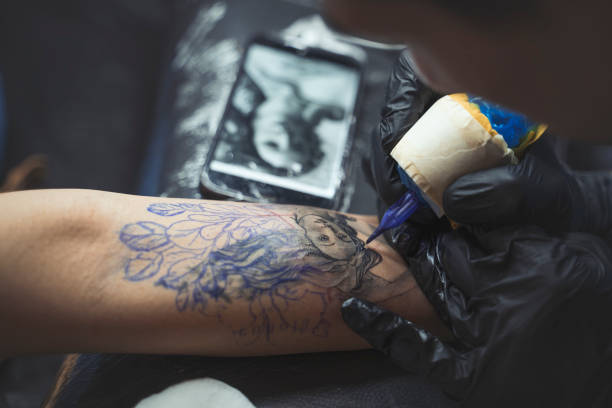
The first layer of confusion starts before you even get to the studio. We live in a digital world where we see tattoo ideas on brightly lit, color-corrected screens. Then, we see a rich pigment in a glass bottle. But your skin is neither a high-definition screen nor a glass container—it’s a living, organic canvas with its own color, texture, and translucency. Expecting the exact pixel-perfect hue from Instagram is the first step toward disappointment. A professional artist’s job is to translate that digital inspiration into something that will work with your skin, not against it.
The true root of color disappointment lies in the quality and formulation of the tattoo ink. Not all inks are created equal, and cheaper, poorly made inks are the prime suspects in the case of the fading, shifting color.
This is the most critical factor that many clients don’t consider: your skin tone is the filter through which all tattoo ink is viewed. A color that pops on pale skin will behave entirely differently on dark skin.
This isn’t a limitation; it’s a fundamental principle of the art. A skilled artist doesn’t just pick a color from a bottle; they choose a pigment with the right opacity and undertone to complement your skin’s natural melanin. For example, a bright white or a pastel yellow might need to be used very strategically or avoided for large fills on darker skin, as they can appear faint or ashy. Conversely, rich browns, deep blues, and bold blacks can look exceptionally striking. The pain point arises when this crucial knowledge isn’t applied, leading to a tattoo that lacks contrast and visibility. The best artists and the best inks account for this from the start.
Your tattoo’s final color is not set when you walk out of the studio. It’s set weeks later, when it’s fully healed. During healing, your body is actively working to encapsulate the pigment. Low-quality ink can cause more inflammation and scarring, which can blur lines and muddy colors.
A good tattoo ink supports this process. Its formulation allows for easy absorption into the skin, meaning it settles evenly into the dermis with minimal trauma. This leads to cleaner lines and more solid, predictable color. When an ink is described as creating a very positive color after repair, it’s promising that the healed result will be close to the artist’s—and your—original intention.
So, how do you avoid the pitfall of color disappointment? You become an informed participant. The solution lies in insisting on professional-grade materials.
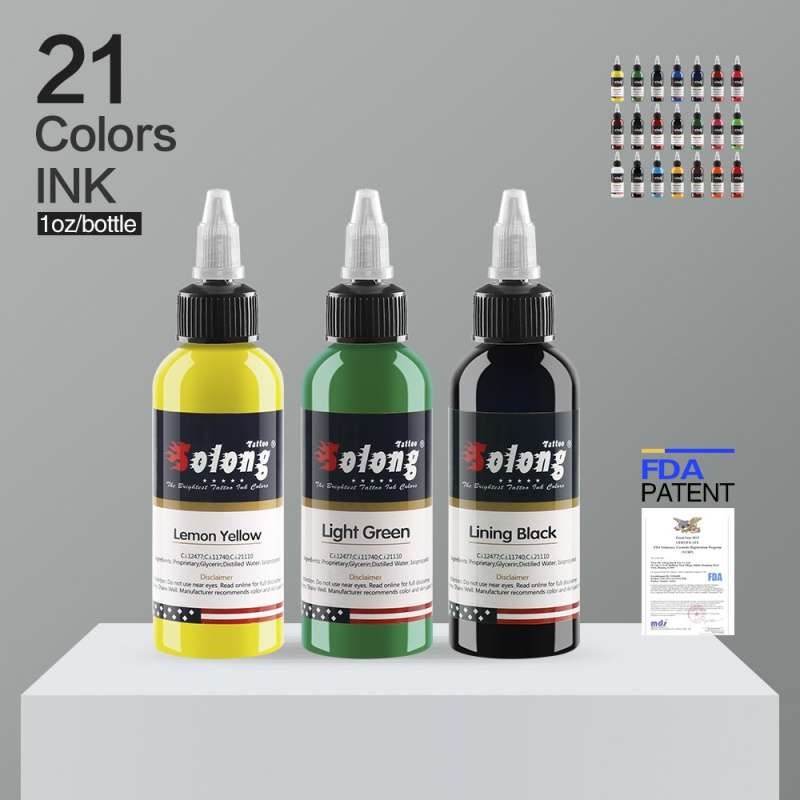
This is where a commitment to quality, like that found in the Solong 21 Color Tattoo Ink set, makes all the difference. A set that is favored among professional tattoo technicians earns that reputation for a reason. It’s engineered to solve these very pain points. Its promise of color stability and pure color means each hue—from Gem Blue to Cherry Bomb Red—is designed to hold its integrity. Its smooth consistency ensures even application, and because it’s made of high-quality, modern pigments, it’s formulated to work in harmony with the skin, minimizing unpredictable reactions and maximizing color fidelity.
Choosing this level of product removes a huge variable from the equation. It allows the artist to focus on their craft, confident that the medium won’t let them—or you—down.
Q: I have dark skin. Can I still get vibrant, colorful tattoos?
A: Absolutely! The key is working with an artist experienced in tattooing on darker skin tones and using high-quality, opaque inks. Colors like deep blues, rich purples, emerald greens, and bold blacks often yield stunning, vibrant results. A professional artist will know which pigments from their palette have the strength and correct undertone to shine on your skin.
Q: Is vegan tattoo ink better for color stability and safety?
A: Often, yes. Vegan tattoo ink removes common animal-derived ingredients that can be irritants. This doesn’t automatically guarantee perfect color, but it typically means the formula is modern, purer, and designed with a lower risk of allergic reaction. Many top-tier, color-stable inks are now vegan.
Q: How much will my tattoo color change as it heals?
A: All tattoos soften and settle as they heal. Fresh ink is deposited under a thin layer of skin and can look overly bright or dark. As the surface skin heals and the pigment settles into the deeper dermis, the color will become slightly muted and more integrated—this is normal. Dramatic color shifts (e.g., a bright red turning orange), however, can indicate a problem with the ink’s formulation.
Color disappointment is a real pain point, but it’s also a preventable one. It starts with managing digital expectations, continues with choosing a skilled artist who understands color theory for your skin, and is cemented by demanding the highest quality tattoo ink possible.
Your tattoo is a lifelong investment. Don’t let it be undermined by an unstable, low-quality pigment. By understanding the science behind the color and choosing professional-grade inks designed for performance and longevity, you ensure that the art you wear is as vibrant and true in reality as it was in your imagination.
Don’t let unstable pigments rewrite your tattoo’s story. Ensure vibrant, lasting color with professional-grade ink—explore our collection to find the reliable pigments your art deserves.
No account yet?
Create an Account