100% vegan, non - toxic, and sterilized
Trusted by numerous artists
Do you remember the moment you decided on your first tattoo? That excitement, mixed with a touch of nervous anticipation, likely revolved entirely around the design—its meaning, its beauty, and its placement on the skin.
Today, however, more and more tattoo enthusiasts and artists enter the studio with a deeper question: “Does this process, from needle tip to the tattoo ink bottle, align with my values?”
Tattoos are no longer just a medium for personal expression; they are evolving into a silent dialogue about ethics, health, and responsibility to the planet.
At the heart of this shift are those seemingly small glass bottles—vegan and sustainable tattoo inks.
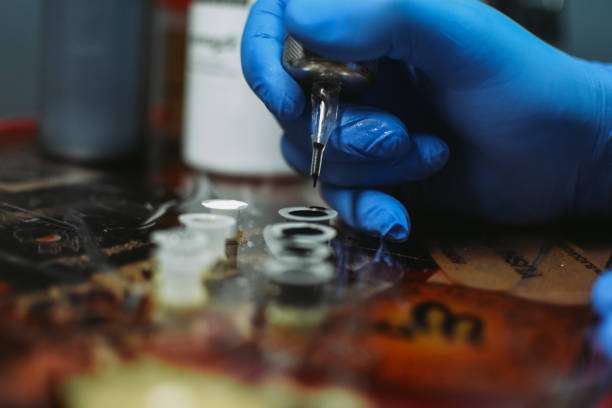
Traditional tattoo inks historically contained ingredients that might surprise modern consumers: bone charcoal (from burnt animal bones, used for black), shellac (from lac insects, used as a binder), or animal-derived glycerin. For vegans, animal rights advocates, or anyone seeking purer products, this presents an ethical dilemma.
Vegan tattoo inks completely eliminate all animal-derived components. They use high-purity mineral pigments, synthetic organic dyes, and plant-based carriers (like vegetable-derived glycerin) as substitutes.
This is more than just a swap on the ingredient list:
When discussing sustainable tattoos, the view must extend beyond ink bottles. This involves full lifecycle consideration:
This trend is no coincidence. It is propelled from both ends:
Some may worry that ethical and eco-conscious choices compromise color performance or longevity. The answer is absolutely not. Modern top-tier vegan tattoo inks are advanced enough to dispel any doubts.
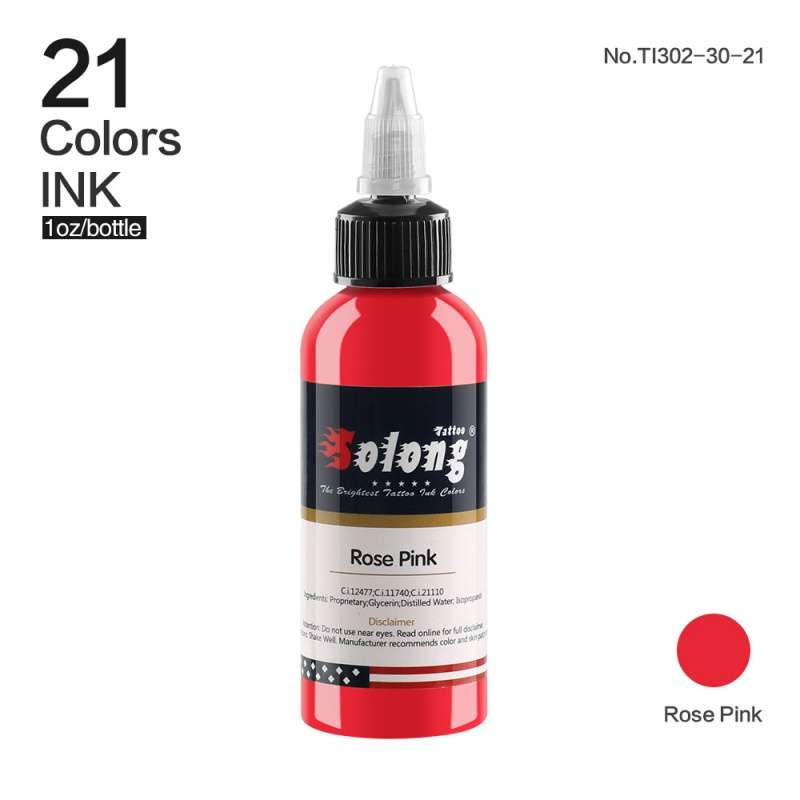
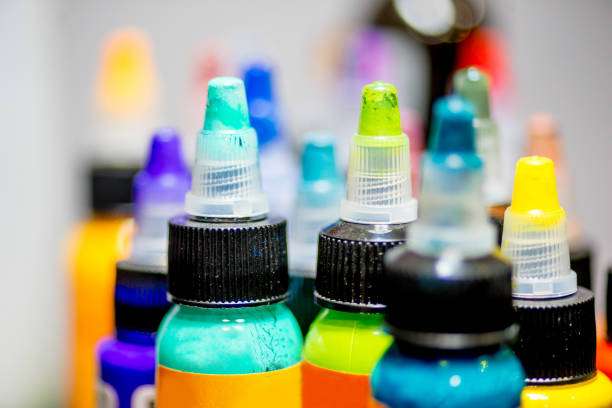
Imagine a 21-color professional tattoo ink set. It promises not only color purity—from deep gemstone blue to vibrant cherry red, from soft rose pink to stable dark brown—but also builds these vivid expressions on a sustainable foundation.
The vegan formula ensures each drop contains no animal ingredients, giving all clients a pure starting point. Rigorous production standards maintain cleanliness from the factory to the skin.
Critically, it proves ethics and performance can coexist: colors remain vibrant, are easily absorbed by skin, and are resistant to fading, securing the artwork’s long-term vitality.
High-quality vegan inks also typically offer excellent mixing compatibility, allowing artists unrestricted creative freedom on a sustainable palette.
Your choices carry weight. The next time you book a tattoo or select ink, consider:
A: Prices vary by brand and formulation, but high-end vegan inks usually cost on par or slightly higher than comparable professional inks due to R&D and purer ingredients.
Longevity is fully competitive: color stability, UV resistance, and pigment retention depend on pigment purity and formulation, not animal content. Many top vegan inks are celebrated for their enduring vibrancy.
A: Important distinction: “Vegan” indicates ingredient source (non-animal), while “safe and non-toxic” pertains to the chemical composition’s biocompatibility.
Vegan inks still require rigorously tested pigments and carriers safe for humans.
The best choice is inks labeled both “vegan” and “non-toxic” or “sterilized.” Vegan is an ethical and safety baseline, but full production standards and transparency are equally critical.
Tattoos are an ancient ritual of inscribing stories, beliefs, and identity onto the body. Today, this ritual gains a new dimension: it can also express respect for the planet and other life sharing it.
Choosing vegan and sustainable inks does not compromise artistic quality; it upgrades the creative context.
Your skin art then speaks not only of your past and present but also quietly promises a more mindful, benevolent future.
When the needle dips not merely in pigment but in a value system, each stroke becomes a deeper imprint.
 Inez B. Thomas
No account yet?
Create an Account