100% vegan, non - toxic, and sterilized
Trusted by numerous artists
When you step into a tattoo studio, your attention might be fully captured by design sketches, the hum of machines, or the artwork about to become part of your body.
Yet one critical element is often overlooked in the excitement: the bottle of tattoo ink about to be injected under your skin. What is it made of? Is it safe?
Today, we won’t discuss style or aesthetics—we dive into the “Ink Science Lab” to uncover the truth behind modern tattoo ink ingredients and safety logic, addressing the most essential concern: is it truly safe?

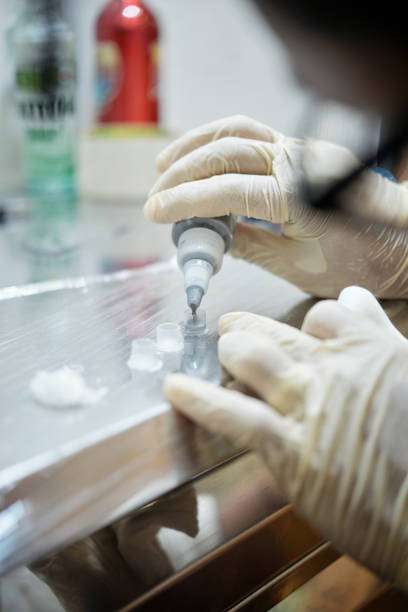
First, let’s establish a basic understanding: tattoo ink is not fountain pen ink, nor is it conventional paint. It is a special coloring agent designed to permanently reside in the dermis layer of the skin.
When a tattoo needle punctures the skin hundreds or even thousands of times per minute, it carries tiny droplets of ink into the skin. Your immune system will attempt to remove these “foreign invaders,” but pigment particles are typically too large for macrophages to engulf, so they remain fixed, forming a permanent pattern.
Thus, the safety of ink directly impacts long-term health. Low-quality inks may contain harmful impurities, heavy metals, or unstable chemicals, potentially causing allergies, inflammation, or more complex health issues.
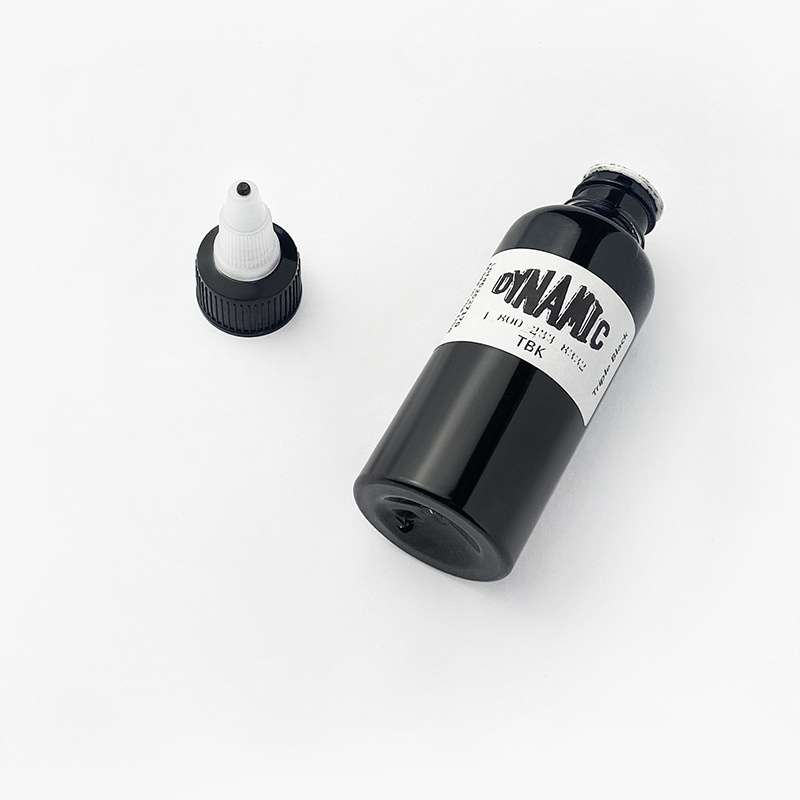
In the world of tattoo ink, black is the cornerstone and the benchmark for quality testing. Top-tier professional black tattoo ink often has the strictest safety standards.
Imagine a deep, pure black with ultra-high pigment concentration. This is not just for aesthetics—it ensures safety and performance. High-purity, finely ground carbon particles produce solid, rich color while minimizing additional chemical additives needed for deep shades. The texture must be extremely smooth and stable, allowing artists precise needle control for sharp lines and soft, natural shading, reducing excessive punctures and trauma to the skin.
Equally important is its longevity. An optimized formula locks in color, keeping black deep and vivid for years, avoiding fading into gray-blue or green. Stability is itself part of safety—pigment remains inert in the body. Of course, this assumes the ink is sterile and 100% vegan, providing a clean, reliable choice for all clients regardless of lifestyle or beliefs.
In recent years, vegan tattoo ink has moved from a niche topic to a mainstream concern. This reflects growing demands from consumers and artists for health, ethics, and transparency.
Choosing vegan ink guarantees no animal-derived components enter your body and supports sustainable, controlled production sources.
Additionally, social media and information access have encouraged tattoo enthusiasts to ask, “What brand of ink are you using? Is it vegan? Is it sterile?”
This consumer-driven demand pushes the industry to improve safety standards and transparency. Excellent tattoo artists welcome such questions, as they care about both artwork longevity and client health.
As a client, you are not powerless. Before your appointment, you can and should have a conversation with your artist:
A: Not at all. Modern vegan inks are highly advanced. Using high-purity synthetic or mineral pigments with plant-based carriers, top vegan inks match or exceed traditional formulas in vibrancy, saturation, and durability. Many professionals choose vegan inks for consistent quality and lower allergenic potential.
A: Reactions can appear immediately or be delayed by days or weeks. Symptoms include unusual redness, itching, rash, or bumps at the tattoo site. If suspected, consult your tattoo artist and a doctor immediately. Prevention is key—using high-quality, clearly formulated inks reduces risk. Sensitive individuals should consider small patch tests first.
A tattoo is a lifelong commitment, and the medium carrying that commitment—tattoo ink—deserves the utmost attention.
Safety should not be an afterthought; it must be a primary criterion in selection.
It involves chemistry, biology, and ethical manufacturing. Understanding the science behind that bottle protects your health and honors tattooing as an art form blending tradition with modernity.
Every choice is a responsible investment in your body as a canvas. So, next time you sit in the tattoo chair, remember: the colors about to become part of you should themselves be a poem of safe science.

 Inez B. Thomas
 Inez B. Thomas
No account yet?
Create an Account